Sex massage in London didn’t start as a hidden service tucked behind velvet curtains. It began as a quiet part of daily life - a touch, a rub, a moment of relief in a city that never slept. By the 1800s, London was already a global hub of commerce, vice, and desire. Massage, in its earliest forms, wasn’t tied to sexuality at all. It was used by sailors, laborers, and soldiers to ease muscle pain. But in a city where money flowed as freely as gin, someone soon realized that a good rub could be more than therapy - it could be pleasure.
From Bathhouses to Back Rooms: The 19th Century Foundations
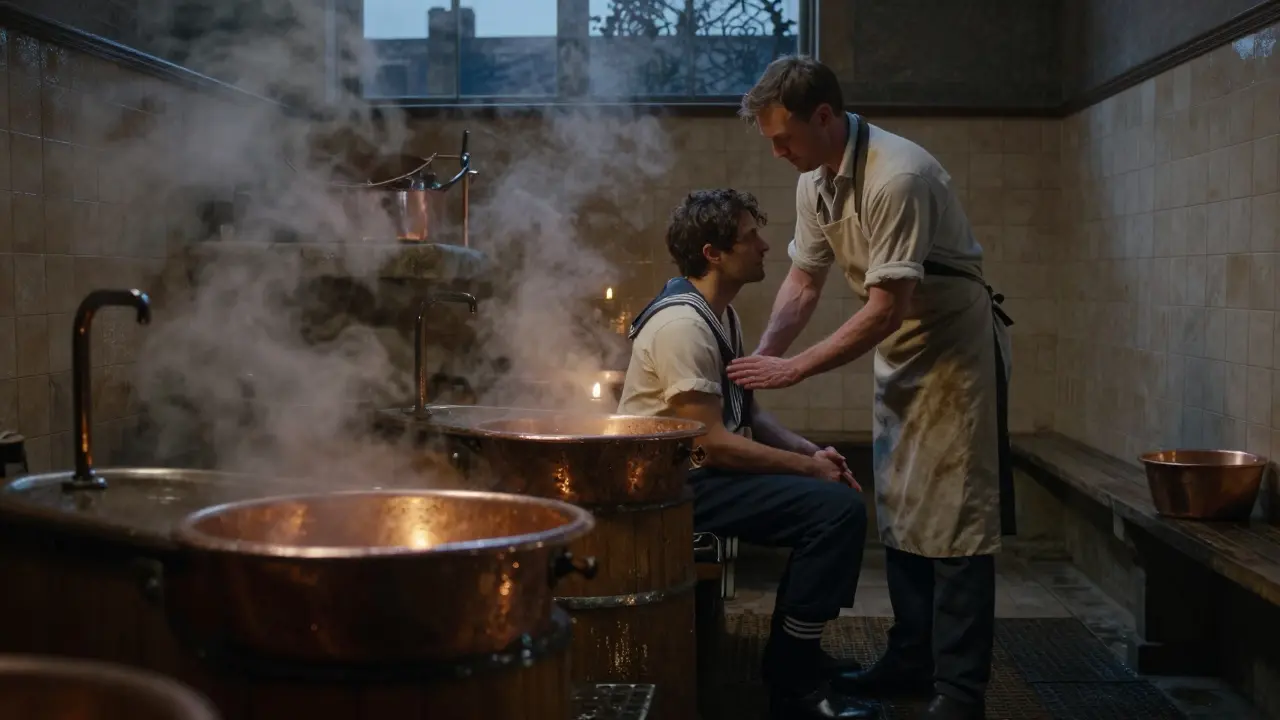
In Victorian London, public bathhouses were common. Men and women of all classes used them for hygiene, but many also came for privacy. These spaces became unofficial meeting points. By the 1860s, reports from police and social reformers noted that some bathhouse attendants offered more than soap and towels. A skilled hand, warm oil, and silence became a draw. These weren’t advertised. Word spread through trusted networks - dockworkers, soldiers returning from India, and wealthy clients who didn’t want scandal.
Massage in this era was often bundled with other services: tea, conversation, even music. The line between therapeutic and erotic was blurry, and that was the point. There were no licenses, no regulations. If you paid, you got what you asked for - and sometimes, what you didn’t. The term "sex massage" didn’t exist yet. People called it "special treatment," "relaxation therapy," or simply "a good rub."
The 1920s to 1960s: Underground Growth and Police Crackdowns
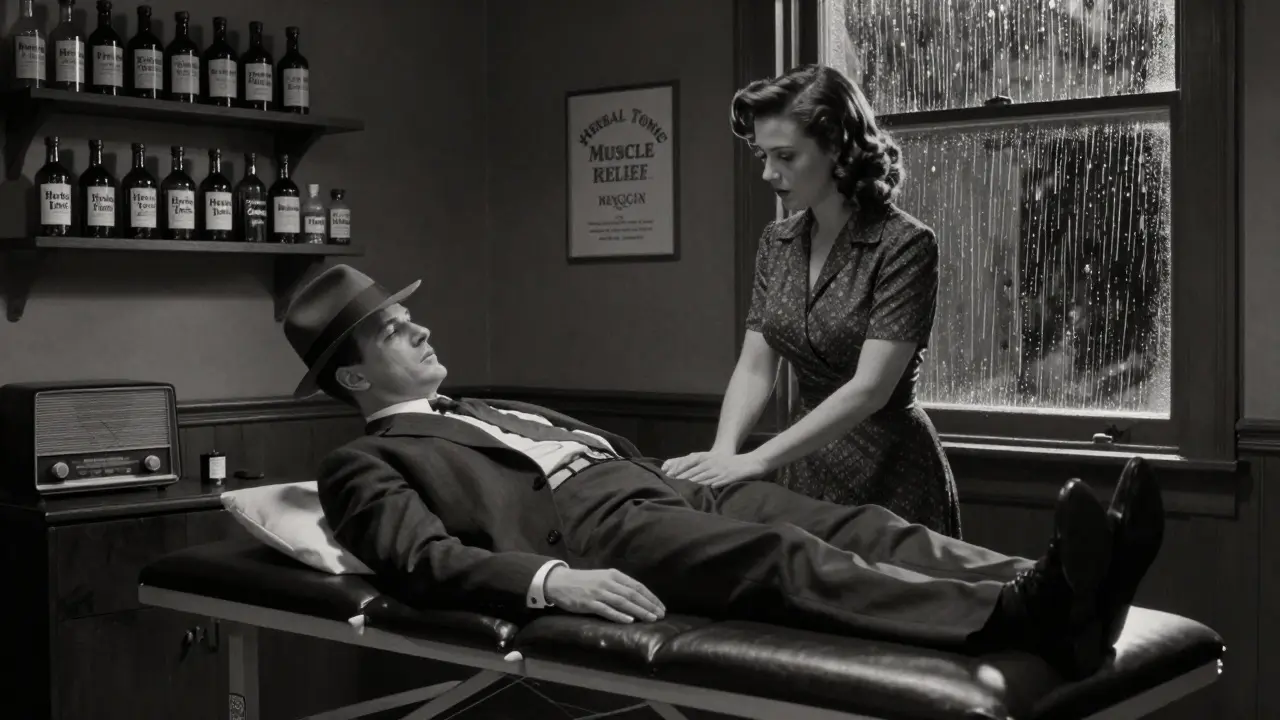
After World War I, London’s nightlife exploded. Jazz clubs, speakeasies, and brothels thrived in Soho. Massage parlors began appearing in basements and second-floor flats, often disguised as beauty salons or chiropractic offices. By the 1930s, the Metropolitan Police had a special unit tracking "indecent practices." They didn’t target massage itself - they targeted solicitation, public indecency, and organized vice.
One 1948 raid on a flat in Soho uncovered three women offering "therapeutic touch" to male clients. The owner was charged not for providing sex, but for running a "disorderly house." The court didn’t define what "therapeutic touch" meant. It didn’t need to. The public already knew. By the 1950s, London’s massage trade had become a quiet industry. Clients included diplomats, artists, and businessmen. Many didn’t see it as immoral - just practical. In a city with cramped housing and long work hours, a private session offered relief, connection, and release.
The 1970s to 1990s: Legal Gray Zones and the Rise of "Spa Culture"
The 1970s brought a new language: "spa," "wellness," "holistic therapy." These terms helped massage businesses go mainstream. A shop in Chelsea could now call itself a "relaxation center" and still offer what clients came for. The law didn’t ban massage. It banned prostitution. So businesses adapted. They stopped using terms like "erotic" or "sensual." Instead, they listed "Swedish massage," "aromatherapy," and "deep tissue" on their signs. The real service was implied.
By the 1980s, London had hundreds of these places. Some were run by former sex workers, others by immigrants from Thailand, India, and Eastern Europe who brought traditional techniques. Thai massage, with its rhythmic pressure and body-to-body contact, became especially popular. Clients didn’t always know the difference between a traditional Thai session and one that ended in sexual release. Many didn’t care.
Police still raided. In 1992, a crackdown on 12 massage parlors in Brixton led to 37 arrests. But the arrests didn’t stop the business. They just made it quieter. Clients began using phone lines, coded messages, and word-of-mouth referrals. The internet hadn’t arrived yet, but the system worked.
The 2000s to 2010s: Digital Shifts and the New Normal
When smartphones became common, everything changed. Apps like WhatsApp and Facebook groups replaced phone trees. A client could now message a number, get a photo, confirm a location, and book a time - all in under a minute. Websites like "London Massage Directory" and "Soho Relaxation Guide" popped up. They didn’t say "sex massage." They said "sensual," "intimate," or "private relaxation."
By 2015, Google searches for "erotic massage London" returned over 200,000 results. Most led to sites that looked like legitimate spas. Photos showed candlelit rooms, soft music, and smiling staff. The fine print? "All services are consensual and tailored to client needs." That was code. And everyone knew it.
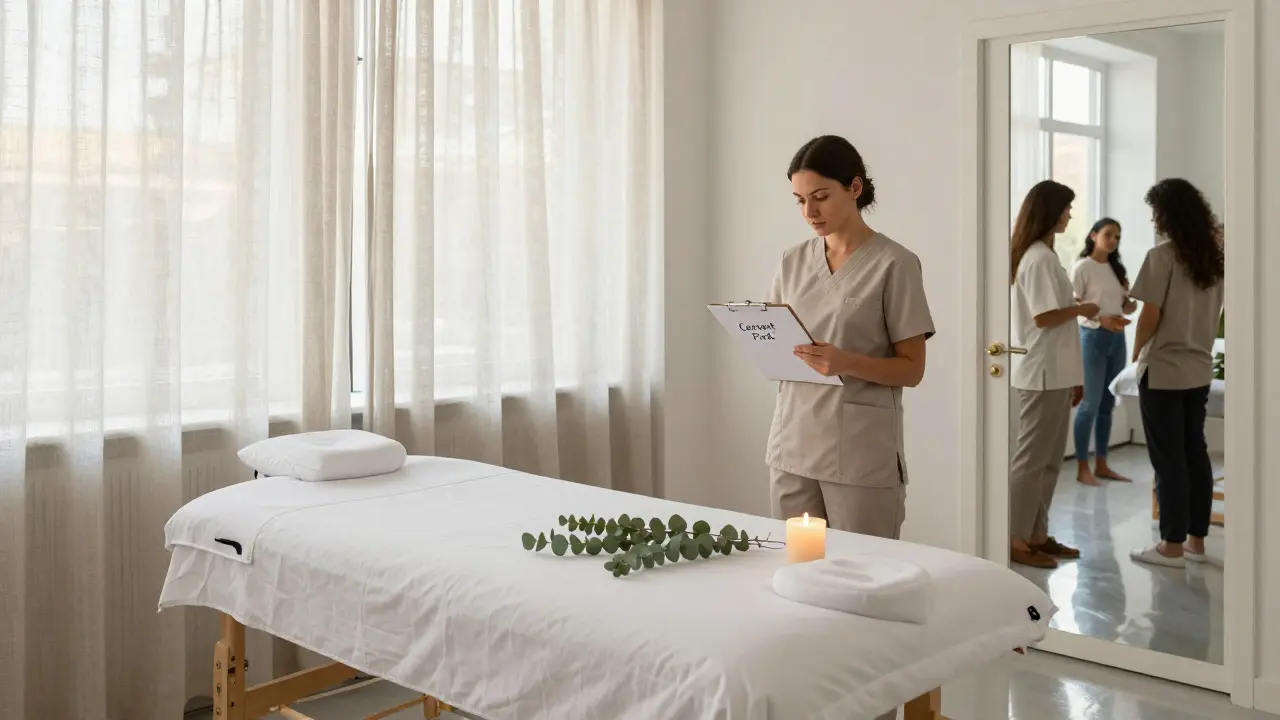
What changed most wasn’t the service - it was the expectation. Clients no longer wanted secrecy. They wanted discretion. They wanted cleanliness. They wanted trained staff. They wanted to feel like they were paying for a luxury experience, not a crime. The industry responded. Many places now have professional certifications, hygiene licenses, and even online reviews on TripAdvisor.
2020s: Regulation, Stigma, and the Push for Legitimacy
Today, sex massage in London exists in a legal gray zone. It’s not illegal to give or receive a massage that leads to sexual activity - as long as no money changes hands for sex itself. The law says prostitution is illegal. But if you pay £80 for a 60-minute massage and it ends in mutual pleasure, the law doesn’t define that as prostitution. It’s a loophole older than the city itself.
Local councils have tried to crack down. Camden banned all massage parlors in 2021. Westminster introduced mandatory registration in 2022. But enforcement is patchy. Many operators simply move to nearby boroughs. Others go fully online, offering virtual consultations and home visits.
There’s also a quiet push for legitimacy. Some therapists now call themselves "intimate wellness practitioners" and offer training in consent, boundaries, and trauma-informed touch. A few have even partnered with mental health organizations to promote massage as part of sexual well-being - not just pleasure, but healing. It’s a slow shift, but it’s happening.
Who Uses These Services Today?
It’s not just lonely men or wealthy businessmen. In 2024, a survey of 1,200 Londoners (conducted by a private research firm) found that 17% had tried a sex massage at least once. The largest group? Women aged 30-45. Many said they sought it for stress relief, body awareness, or emotional connection. One woman, a teacher from Hackney, told a researcher: "I’ve been married for 12 years. I don’t want to cheat. I just want to feel touched without someone expecting anything in return. That’s what I got. Not sex. Just presence."
Men still make up the majority of clients, but the gap is closing. LGBTQ+ clients have always been part of the scene. In areas like Vauxhall and Shoreditch, many businesses now specialize in queer-friendly services, with staff trained in gender-neutral touch and inclusive communication.
What’s Next?
The future of sex massage in London won’t be about hiding. It’ll be about normalization. As mental health awareness grows, and as society moves away from shame-based views of touch, demand will rise. Some therapists are already pushing for legal recognition as "intimate wellness providers." They want licensing, insurance, and training standards - just like physiotherapists or counselors.
That won’t happen overnight. But the signs are there. More people are talking about it. More therapists are speaking up. More clients are demanding safety, professionalism, and respect. The old model - back rooms, cash payments, whispered referrals - is fading. The new one? Quiet, clean, and conscious.
London’s sex massage scene didn’t evolve because people wanted more sex. It evolved because people wanted more humanity - touch without judgment, release without guilt, connection without pressure. That’s not just a service. It’s a quiet revolution.
Is sex massage legal in London?
Sex massage itself isn’t illegal in London. What’s illegal is paying for sex - not the massage. If a client pays for a massage and sexual activity happens as a mutual, consensual outcome, the law doesn’t consider it prostitution. But if the massage is a cover for selling sex, and money is exchanged specifically for sexual acts, that’s against the law. Enforcement is inconsistent, and many businesses operate in a gray zone.
Are there licensed sex massage parlors in London?
There are no official licenses for "sex massage" because it’s not a recognized profession. However, some businesses hold general business licenses, hygiene certifications, or insurance as massage therapists. A few newer operators are seeking recognition as "intimate wellness practitioners," but this is still unofficial. Always check for cleanliness, reviews, and clear communication about services before booking.
How do I find a reputable sex massage service in London?
Avoid sites that use flashy ads or explicit language. Look for businesses with professional websites, clear service descriptions, and verified reviews. Many reputable providers now use encrypted messaging apps like WhatsApp for booking. Ask about their training, hygiene standards, and boundaries. Trust your instincts - if something feels off, walk away. Safety matters more than price or convenience.
Why do women use sex massage services in London?
Many women use these services for emotional and physical relief - not just sex. They seek touch without expectation, pressure, or judgment. For some, it’s about reconnecting with their bodies after trauma, illness, or long-term relationships. Others simply want to experience pleasure on their own terms, without a partner. Research shows that women are now the fastest-growing group of clients in London’s intimate wellness sector.
Has the rise of AI and apps changed the industry?
Yes. Apps and messaging platforms have replaced phone trees and flyers. Clients can now message providers directly, view photos, confirm locations, and even schedule recurring sessions. Some businesses use AI chatbots to answer common questions about pricing, availability, and services. But the human element remains key - trust, communication, and consent still drive the experience. Technology made access easier, but it didn’t replace the need for real connection.
For those curious about the history of touch in urban life, London’s story is a mirror. It shows how desire, need, and dignity have always walked side by side - even in the shadows.