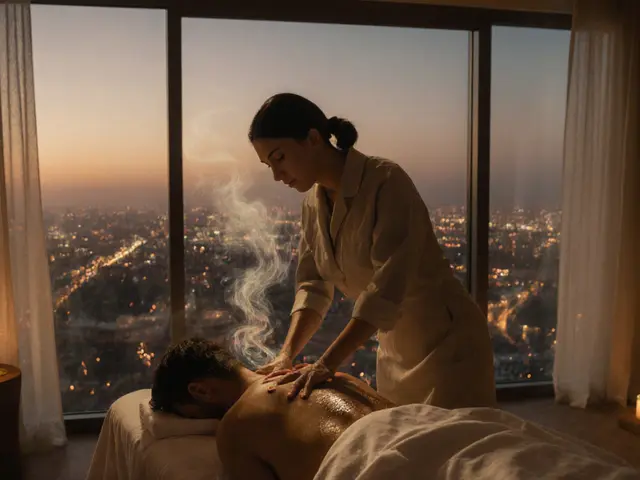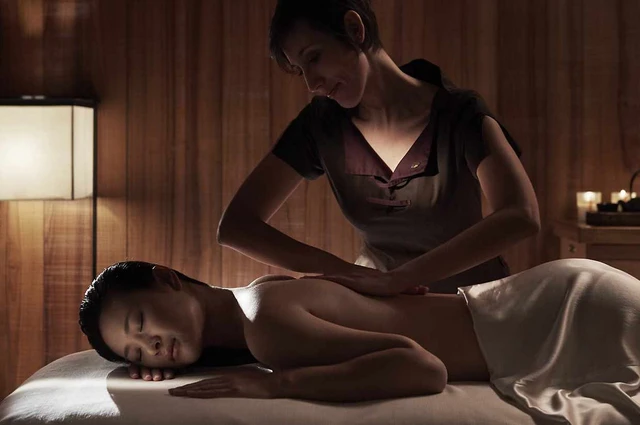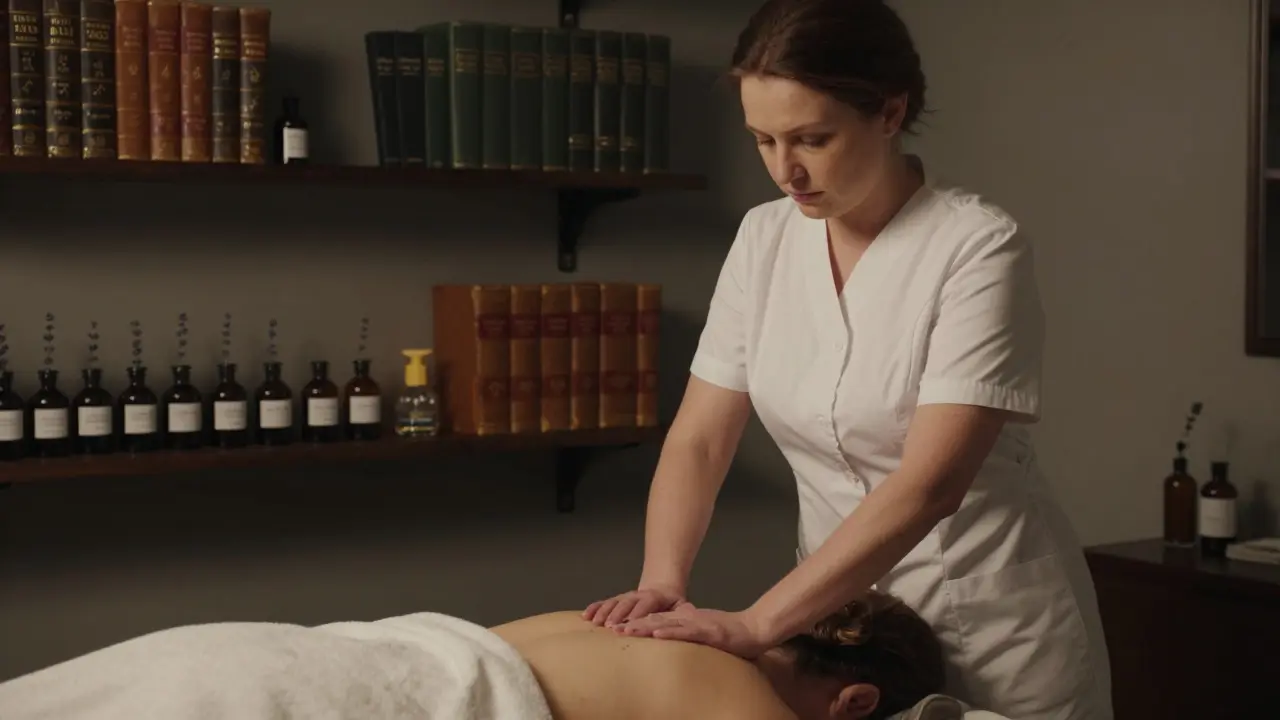
Sex massage in Berlin isn’t just a service-it’s a mirror of the city’s shifting attitudes toward the body, pleasure, and freedom. You won’t find it in guidebooks labeled as ‘romantic getaways,’ but if you walk through neighborhoods like Schöneberg or Kreuzberg, you’ll see signs that hint at something deeper: a long-standing tradition where touch, therapy, and desire have blurred for over a century.
Origins in the Late 19th Century
Before World War I, Berlin was already Europe’s most progressive metropolis. Industrialization brought workers from rural areas, and with them came new social tensions. The city’s growing middle class began to question Victorian norms around sexuality. Massage parlors started appearing-not as places of erotic service, but as clinics offering relief from back pain, fatigue, and stress. These were often run by trained physiotherapists, many of them women, who used oils, pressure techniques, and Swedish massage methods.
By the 1890s, some of these clinics quietly began offering what was called “therapeutic touch” beyond muscle relief. Clients who requested longer sessions, dim lighting, or private rooms weren’t turned away. The line between medical treatment and sensual comfort was thin, and many didn’t see a problem with it. Berlin’s medical journals from the time even debated whether “nervous exhaustion” could be treated with full-body contact under controlled conditions.
The Weimar Era: When Pleasure Became Public
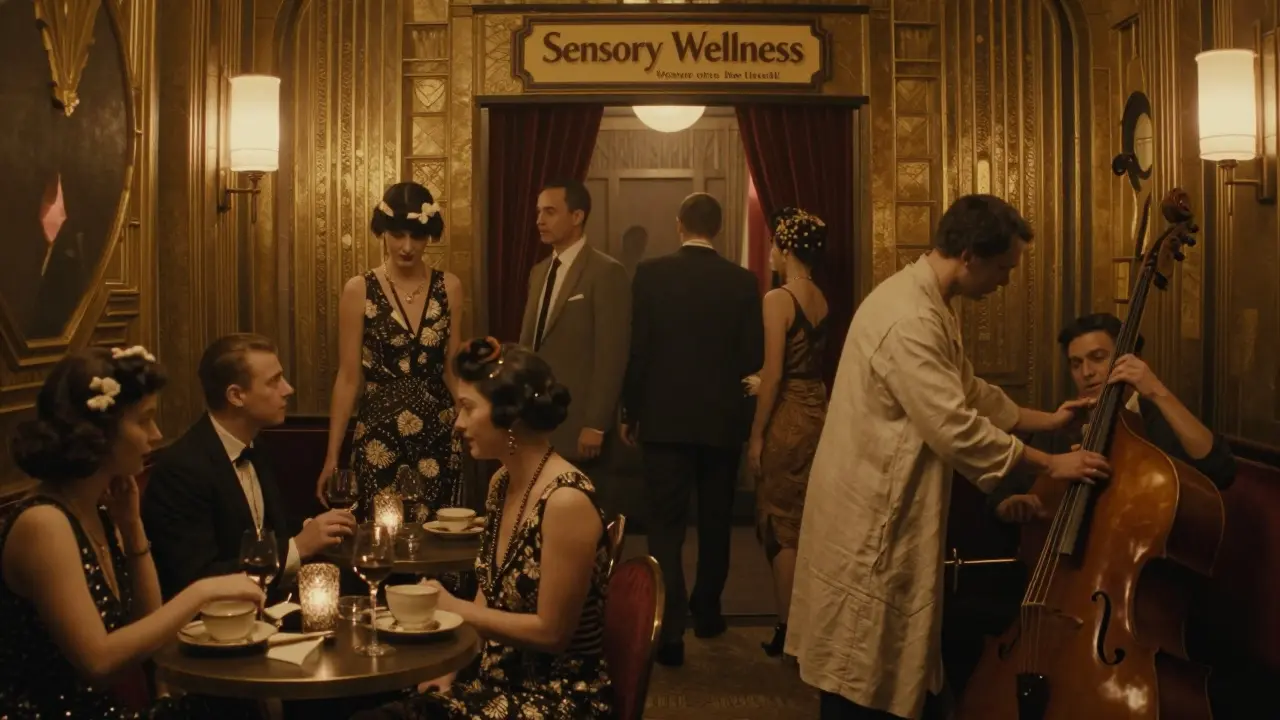
The 1920s changed everything. After Germany’s defeat in World War I, Berlin became a laboratory for social experimentation. Art, music, gender identity, and sexuality were all up for redefinition. Sex massage moved from the shadows into semi-public spaces. Cabarets like the Kit Kat Klub offered “relaxation rooms” where patrons could book 30-minute sessions with trained attendants. These weren’t brothels-they were advertised as “sensory wellness centers.”
Women, including many former nurses and dancers, became the primary practitioners. They wore simple robes, used lavender oil, and followed strict rules: no intercourse, no payment for sex, only touch. The law didn’t ban it because it didn’t fit neatly into existing categories. Police raids were rare unless complaints came from neighbors about noise or loitering.
Historians estimate that by 1930, over 200 such establishments operated in Berlin. Some were hidden behind bookshops; others had storefronts with signs reading “Therapeutic Massage” in German and French. The city’s tolerance was legendary-until it wasn’t.
Nazism and the Suppression of Touch
When the Nazis took power in 1933, everything changed. They saw any form of non-reproductive sexuality as degenerate. Massage parlors were shut down under the pretext of “moral hygiene.” Practitioners were arrested, some sent to concentration camps. Books on sensual therapy were burned. The term “sex massage” disappeared from public discourse.
But the practice didn’t vanish. It went underground. Some former masseuses worked in private homes, offering discreet sessions to loyal clients. Others fled to cities like Amsterdam or Paris. Berlin’s culture of open sensuality was silenced, but not erased.
Post-War Rebirth: From Shame to Therapy
After 1945, Berlin was divided. In West Berlin, American and British soldiers brought with them new ideas about psychology and bodily autonomy. Psychotherapists began experimenting with touch as part of emotional healing. In the 1960s, a wave of counterculture movements-inspired by California’s human potential movement and German New Age thinkers-reintroduced the idea that massage could be more than physical.
By the late 1970s, a new kind of establishment emerged: the “sensual therapy studio.” These weren’t sex clubs. They were quiet, candlelit rooms where clients-mostly women, but increasingly men-could explore intimacy without judgment. Practitioners were trained in both Swedish massage and Reichian bodywork, a technique developed by psychoanalyst Wilhelm Reich that linked emotional blocks to muscle tension.
One of the first licensed therapists, Helga Müller, opened her studio in Schöneberg in 1981. She didn’t advertise. Clients came through word of mouth. Her rule: “No penetration. No pressure. Only presence.” She kept logs of sessions-not for legal reasons, but to track emotional progress. Her clients reported reduced anxiety, improved sleep, and a renewed sense of bodily confidence.
Modern Berlin: Legal, Visible, and Diverse
Today, sex massage in Berlin operates in a legal gray zone. It’s not illegal to offer sensual touch for money, as long as no sexual intercourse occurs. The city’s laws focus on prostitution, not massage. This distinction matters. Many businesses now call themselves “sensory wellness centers,” “erotic therapy studios,” or “bodywork salons.”
There are over 60 registered establishments in Berlin, mostly clustered in the districts of Schöneberg, Neukölln, and Friedrichshain. Prices range from €40 for a 30-minute session to €150 for a two-hour experience with aromatherapy, music, and guided breathing. Most offer same-day bookings through encrypted apps, not websites.
Practitioners today are diverse: former nurses, yoga instructors, trauma counselors, and even retired actors. Many have certifications in somatic therapy or Reichian bodywork. Some specialize in helping people recovering from sexual trauma, others in helping couples reconnect after years of emotional distance.
One recent study by the Berlin Institute of Social Research (2024) found that 68% of clients reported improved self-esteem after regular sessions. Over 40% said they felt more comfortable in their own skin. Only 3% reported any form of coercion or discomfort-far lower than rates in the broader sex industry.
What It’s Really Like to Experience It
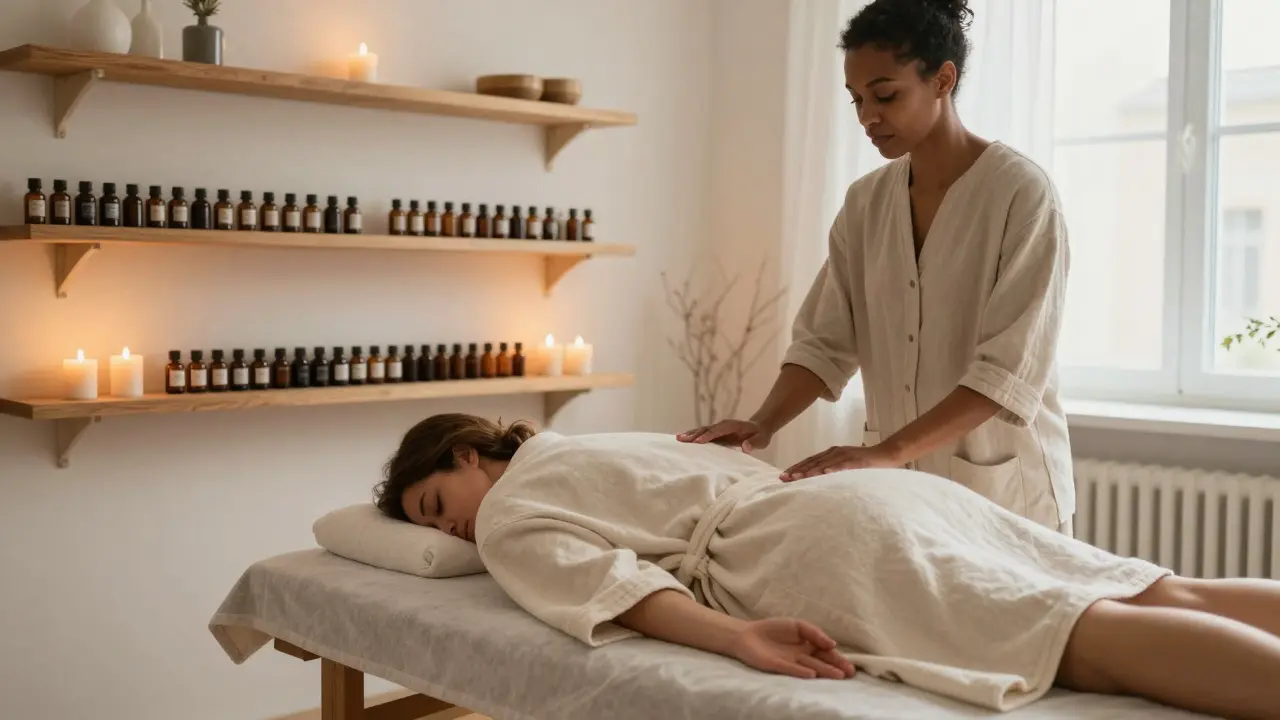
If you’ve never tried it, the idea might feel strange or even intimidating. But the reality is often quiet, almost sacred. Sessions begin with a conversation-no pressure, no expectations. You’re asked what you’re seeking: relief? Connection? Release? Then you’re given a robe, shown to a warm, softly lit room, and left alone to undress.
The practitioner knocks before entering. No music, no small talk. Just hands-warm, steady, deliberate. The touch is slow. It doesn’t rush. It doesn’t aim for orgasm. It aims for awareness. Many clients cry. Others fall asleep. A few say they felt more seen in 60 minutes than they had in years.
One client, a 52-year-old teacher from Hamburg, told a journalist in 2023: “I didn’t know my body could feel safe. I thought pleasure was something I had to earn. I learned it’s something I already have.”
Myths vs. Reality
There are plenty of myths about sex massage in Berlin:
- Myth: It’s just prostitution in disguise. Reality: No sexual contact is allowed. Violations are reported to authorities and result in immediate closure.
- Myth: It’s only for men. Reality: Women make up 57% of clients, according to a 2024 survey of 800 users.
- Myth: It’s expensive and exclusive. Reality: Many studios offer sliding scale fees. Some even run weekly donation-based sessions for low-income residents.
The real difference? In Berlin, this isn’t seen as taboo. It’s seen as part of a broader conversation about mental health, bodily autonomy, and human connection.
Why Berlin? Why Now?
Other cities have erotic massage too. But Berlin is unique because it never fully abandoned the idea that touch can be healing. Even during the darkest times, the practice survived-not as rebellion, but as quiet persistence. Today, it’s part of a larger movement: the return of embodied wellness.
As mental health crises rise across Europe, more people are turning away from pills and toward practices that reconnect mind and body. Sex massage, in its modern form, is one of them. It’s not about sex. It’s about being held.
How to Find a Reputable Studio
If you’re curious and want to try it, here’s what to look for:
- Check reviews on trusted platforms like Bodywork Berlin or Sensory Collective. Avoid sites with overly sexualized images.
- Look for practitioners with certifications in somatic therapy, massage, or trauma-informed care.
- Call ahead. Ask about boundaries, hygiene, and what the session includes. Reputable places answer honestly.
- Trust your gut. If something feels off, leave. No apology needed.
There are no secret handshakes. No hidden codes. Just quiet rooms, gentle hands, and the space to breathe.
Is sex massage legal in Berlin?
Yes, as long as no sexual intercourse occurs. Berlin’s laws distinguish between prostitution and sensual massage. Massage for relaxation, stress relief, or emotional connection is not illegal. Practitioners must follow hygiene standards and cannot offer sexual acts. Violations are taken seriously and can lead to fines or closure.
Can women receive sex massage in Berlin?
Absolutely. In fact, women make up the majority of clients today. Many studios specialize in helping women recover from trauma, body image issues, or emotional disconnection. Female practitioners are common, and most studios offer same-gender sessions upon request.
Do I need to be naked during a session?
No. You can keep underwear on or wear a robe. Most studios provide disposable underwear if you prefer. The focus is on touch, not exposure. Practitioners work around clothing if needed. Your comfort is the priority.
Are these services only for couples?
No. Most clients come alone. The service is designed for individual healing and self-awareness. Couples can book together, but it’s not required. Many people find that solo sessions help them reconnect with themselves before bringing that energy into relationships.
How do I know if a studio is reputable?
Look for clear communication, professional websites (not just Instagram posts), and certified practitioners. Reputable studios list training backgrounds, hygiene protocols, and session guidelines. Avoid places that use suggestive photos or promise “special services.” Trust your instincts-if something feels transactional or rushed, walk away.
If you’re looking for a different kind of experience in Berlin-one that doesn’t involve clubs, bars, or tourist traps-this might be it. Not as a novelty, but as a quiet, powerful way to reconnect with yourself. The city has spent centuries learning how to hold space for human need. You just have to be willing to lie down, breathe, and let someone else touch you without judgment.