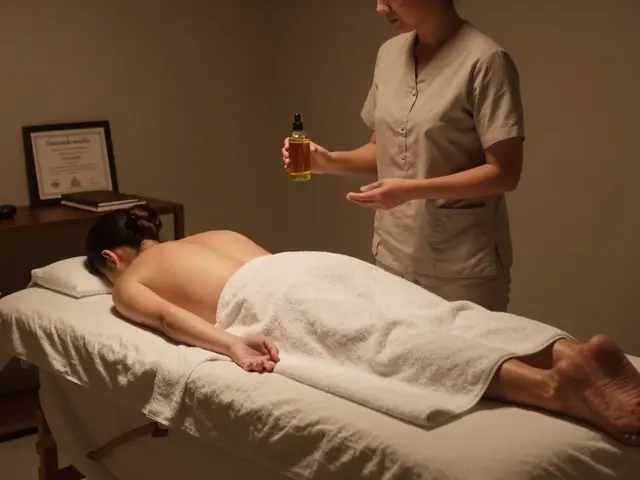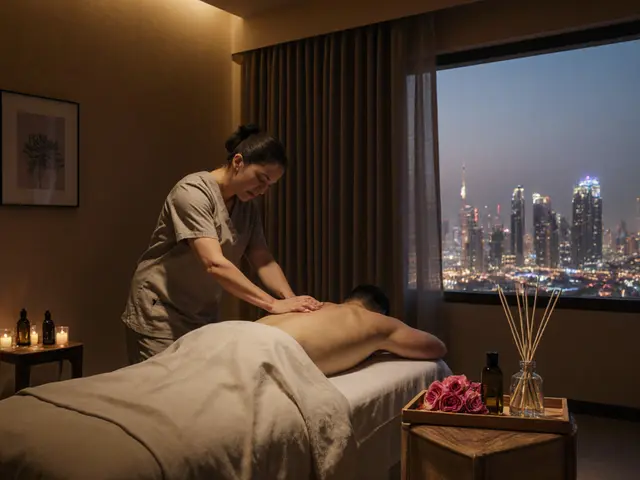
London’s sex massage industry doesn’t just offer physical release-it’s become a space where spiritual practices like tantra are quietly reshaping what clients expect. You won’t find neon signs or street ads. Instead, you’ll hear about it through word of mouth, private websites, or discreet social media groups. Tantra isn’t just a buzzword here. It’s a selling point. A promise. And for many, it’s the reason they pay £150 an hour instead of £60.
Tantra Isn’t What You Think
Most people picture tantric massage as slow, sensual touch with candles and incense. That’s part of it. But real tantra in London’s context is less about ritual and more about control-control of energy, control of arousal, control of time. Practitioners don’t just touch skin. They track breath, eye contact, muscle tension. They delay orgasm not to prolong pleasure, but to reset it. Clients come back not because they had an orgasm, but because they felt something they couldn’t name.
There’s a difference between a regular erotic massage and a tantric one. The former ends with release. The latter ends with stillness. One leaves you tired. The other leaves you quiet. And that quiet is what people pay for.
How Tantra Got Into London’s Sex Work Scene
Tantra entered London’s underground massage world in the early 2010s, brought in by Western practitioners who’d studied in India and Nepal. They didn’t come to sell sex. They came to sell transformation. But the market didn’t want enlightenment-it wanted better sex. So the practice adapted.
By 2018, a handful of therapists in Notting Hill and Shoreditch started advertising “tantric intimacy sessions.” They dropped the Sanskrit terms. They stopped talking about chakras. Instead, they focused on outcomes: “longer-lasting pleasure,” “deeper connection,” “no performance pressure.” The language shifted from spiritual to psychological. And sales went up.
Today, nearly 40% of high-end sex massage providers in London use the word “tantra” in their listings, according to internal industry surveys from 2024. Not all of them actually practice tantra. But the label works. It signals exclusivity. It justifies higher prices. And it filters out the curious.
The Real Techniques Behind the Label
If you sit down with a practitioner who truly uses tantric methods, you’ll notice a few things they don’t advertise:
- They avoid direct genital contact for the first 30-45 minutes.
- They use pressure points along the spine, inner thighs, and neck-not just to arouse, but to disrupt habitual tension patterns.
- They ask you to breathe in a specific rhythm, often matching their own.
- They maintain eye contact even during intimate moments.
- They rarely speak during the session unless it’s to guide your breath.
These aren’t tricks. They’re tools. The goal isn’t to make you cum faster. It’s to make you feel more. And that’s harder to fake.
One client, a 42-year-old tech manager from Canary Wharf, told me: “I’ve had a hundred massages. This was the first time I didn’t feel like I was performing. I didn’t have to ‘get off.’ I just… existed.” That’s the magic. Not the touch. The absence of pressure.
Who’s Really Using These Services?
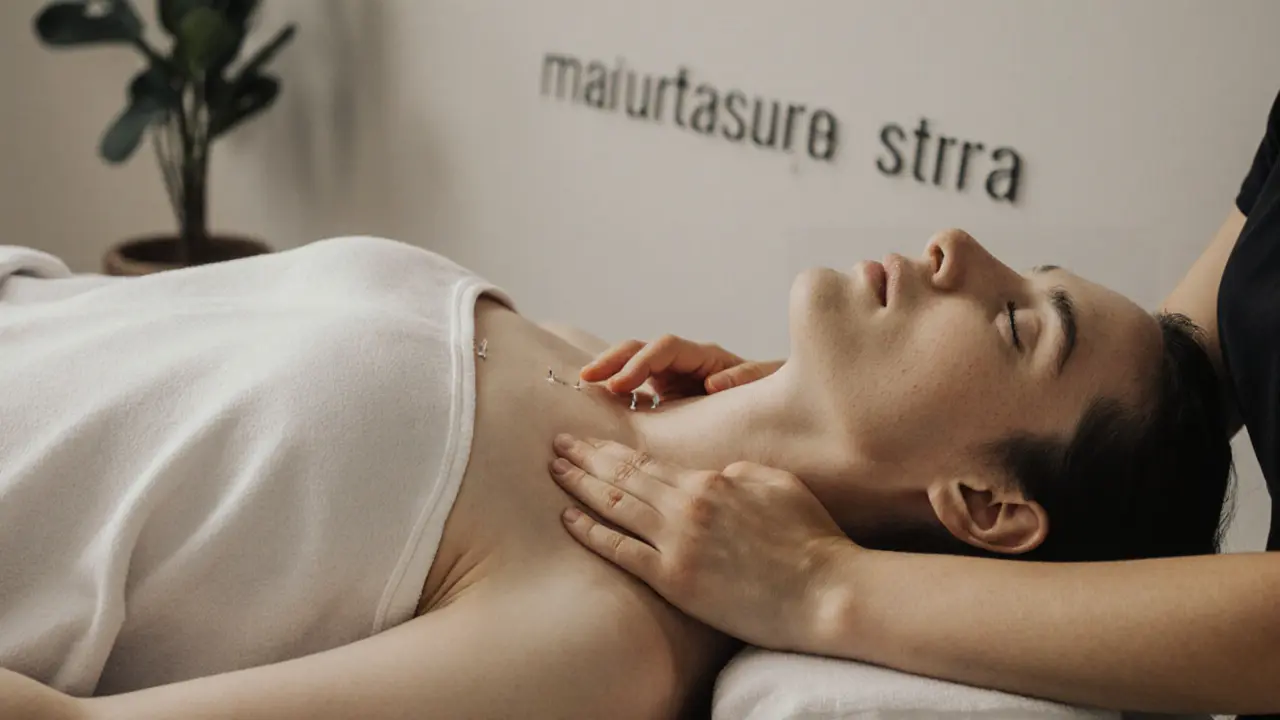
The stereotype of the lonely businessman isn’t wrong-but it’s incomplete. The biggest growth in tantric massage clients since 2022 has been among women aged 30-45. Not just for pleasure. For repair.
Many come after divorce, after trauma, after years of sex that felt like a chore. They don’t want to be turned on. They want to feel safe while being touched. Tantric practitioners, when trained properly, create that space. No judgment. No expectations. No rush.
There’s also a growing group of LGBTQ+ clients, especially non-binary and trans individuals, who find traditional sex work too binary, too performance-driven. Tantra, stripped of its spiritual baggage, becomes a neutral ground. A place where touch isn’t tied to gender roles or sexual scripts.
And then there are the men who’ve been told their sexuality is broken. Men who struggle with premature ejaculation, erectile issues, or emotional disconnection. Tantra doesn’t fix them. It lets them stop trying to fix themselves.
The Dark Side: When Tantra Becomes a Scam
Not every “tantric therapist” knows what they’re doing. Some have taken a weekend workshop in Brighton and now charge £200 an hour. Others use the term to disguise illegal activity-no consent, no boundaries, no aftercare.
There’s no licensing body for tantric massage in the UK. No certification that means anything. Anyone can call themselves a tantric practitioner. That’s why reviews matter more than websites. Clients who’ve been through real sessions talk about:
- Consent checks before and after
- Clear boundaries around nudity and touch
- Post-session debriefs
- Refusal to engage in sexual intercourse
If a provider doesn’t mention consent, or rushes you into undressing, walk out. Real tantra respects boundaries. It doesn’t exploit them.
There have been at least three documented cases in London since 2023 where “tantric massage” was used as a cover for trafficking. Police don’t always recognize the connection. Clients don’t report it because they’re ashamed. That’s the industry’s dirty secret.
What Makes a Good Tantric Practitioner?
If you’re looking for something real, here’s what to look for:
- They don’t use the word “orgasm” in their marketing. They say “release,” “energy shift,” or “deep relaxation.”
- They offer a 15-minute free consultation before booking.
- They have a clear policy on nudity and touch-no vague terms like “full-body massage.”
- They don’t promise spiritual awakening. They promise presence.
- They have references from other clients, not just testimonials on a website.
And here’s what to avoid:
- Photographs of the practitioner in lingerie
- Guarantees of “multiple orgasms” or “sexual healing”
- Prices under £100/hour-real tantra takes time, training, and emotional labor
- Vague descriptions like “mystical experience” or “ancient wisdom”
Is Tantra Legal in London?
Yes-but only if it stops at touch. The UK doesn’t ban tantric massage. It bans prostitution. And the line is thin. If a session includes sexual intercourse, it’s illegal. If it includes genital stimulation with intent to arouse for sexual release, it’s legally gray. Most reputable practitioners avoid that line entirely. They focus on energy, breath, and presence. Not penetration.
The Metropolitan Police don’t target tantric massage parlors unless there’s a complaint. But they do monitor online ads for keywords like “full service,” “happy ending,” or “sexual release.” That’s why legitimate providers avoid those phrases. They use “intimate connection,” “body awareness,” or “sensory exploration” instead.
Why This Isn’t Just About Sex
Tantra in London’s sex massage scene isn’t about sex at all. Not really. It’s about control. Control over your body. Control over your reactions. Control over your need to perform. In a city that runs on speed, productivity, and appearance, tantra offers something rare: slowness without shame.
People aren’t paying for a massage. They’re paying for permission-to feel without judgment, to be touched without expectation, to exist without being labeled. That’s why it’s growing. Not because it’s exotic. But because it’s healing.
The industry won’t admit it. The clients won’t talk about it publicly. But the quiet rise of tantric massage in London isn’t a trend. It’s a response. To loneliness. To burnout. To the exhaustion of always having to be someone else.
And that’s why it’s here to stay.
Is tantric massage legal in London?
Yes, as long as it doesn’t involve sexual intercourse or explicit sexual acts. Touch-based, non-penetrative sessions focused on breath, energy, and presence are legal. But if a provider offers or implies sexual services, it crosses into illegal prostitution territory under UK law. Reputable practitioners avoid any language or actions that suggest sexual release is guaranteed.
How is tantric massage different from regular erotic massage?
Regular erotic massage aims for sexual release-usually orgasm. Tantric massage delays or avoids orgasm to build awareness, control arousal, and deepen presence. It uses breathwork, eye contact, and pressure points to shift energy rather than trigger climax. The goal isn’t to get you off, but to help you feel more fully in your body, regardless of whether you climax.
Can women benefit from tantric massage in London?
Absolutely. Since 2022, women aged 30-45 have become the fastest-growing group of clients. Many come after trauma, divorce, or emotional burnout. They’re not looking for sex-they’re looking for safety in touch. Tantric practitioners who prioritize consent and emotional space offer something few other services do: non-sexual intimacy.
How do I know if a tantric massage provider is legitimate?
Look for clear boundaries, a pre-session consultation, and no photos of the practitioner in lingerie. Legit providers avoid promises like “multiple orgasms” or “sexual healing.” They use terms like “presence,” “energy,” and “sensory awareness.” Check reviews for mentions of consent checks, aftercare, and refusal of sexual acts. If they rush you or don’t explain limits, walk away.
Are there risks in trying tantric massage in London?
Yes. Because there’s no certification or regulation, anyone can call themselves a tantric practitioner. Some use the label to disguise illegal activity, coercion, or trafficking. Others have minimal training and offer shallow, performative sessions. Always verify boundaries, ask about consent protocols, and trust your instincts. If something feels off, leave. Real tantra respects your limits-it doesn’t test them.