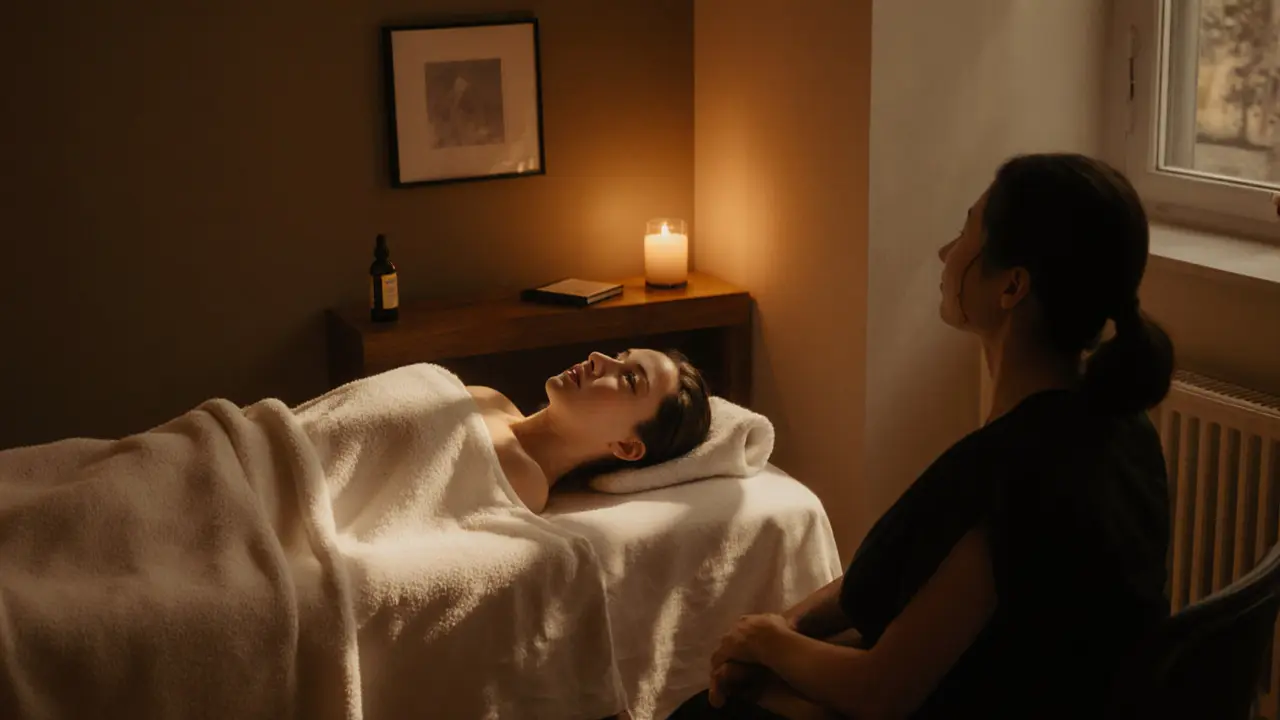
Sex massage in London isn’t what you see in movies or shady ads. It’s not about sex for the sake of sex. It’s about touch, presence, and reclaiming intimacy in a city that moves too fast. More people in London are turning to professional sensual massage-not for arousal alone, but to reconnect with their bodies after stress, trauma, or years of emotional distance. This isn’t a fringe trend. It’s a quiet revolution in adult wellness, led by trained therapists who prioritize consent, safety, and emotional awareness.
What Exactly Is a Sex Massage?
A sex massage, also called sensual or erotic massage, blends therapeutic touch with sexual energy. It’s not intercourse. It doesn’t require orgasm. The goal is to release tension stored in the body, awaken sensory awareness, and create a safe space for pleasure without pressure. Trained practitioners in London use techniques drawn from Tantric practices, somatic therapy, and bodywork traditions. They focus on slow, intentional contact-using oils, breathwork, and guided awareness-to help clients feel more grounded in their skin.
Unlike traditional spa massages, this work includes the genital area-but only with clear, ongoing consent. Everything is negotiated beforehand. No surprises. No pressure. Clients choose what parts of their body are touched, how deep the pressure goes, and whether the session ends in orgasm or just deep relaxation. Many report feeling emotionally lighter afterward, not just physically relaxed.
Why London Is Leading the Change
London has one of the highest rates of stress-related illness in the UK. A 2024 NHS survey found that 62% of adults reported feeling overwhelmed by daily life. At the same time, therapy rates for sexual dysfunction and intimacy issues have risen by 40% since 2020. People are realizing that talking alone isn’t always enough. Sometimes, the body needs to be listened to-not just heard.
London’s sex massage scene has evolved because of this. Therapists now operate under strict ethical codes. Many are certified through organizations like the British Association for Somatic Therapies or have backgrounds in psychotherapy, physiotherapy, or holistic health. They don’t advertise on social media. They rely on word-of-mouth and vetted platforms. You won’t find them on Google Maps. You’ll find them through referrals from therapists, coaches, or wellness centers.
What sets London apart is the emphasis on emotional safety. Sessions often begin with a 20-minute consultation-no charge. You talk about your boundaries, your history, your goals. Some clients come after divorce. Others after cancer treatment. A few just want to feel pleasure without guilt. The therapist doesn’t judge. They don’t push. They hold space.
How It’s Different From Prostitution
This is the question everyone asks. And the answer is simple: sex massage is not transactional sex. It’s therapeutic touch with consent as the foundation.
Prostitution involves exchange of sex for money, often with performance expectations. Sex massage involves exchange of touch for healing, with no expectation of sexual release. The client isn’t buying a service-they’re investing in a process. Many therapists won’t even offer genital touch unless the client has explicitly asked for it and signed a consent form. Some clients never go beyond full-body relaxation.
In the UK, prostitution itself isn’t illegal-but soliciting, brothel-keeping, and pimping are. Sex massage operates in a legal gray area, but reputable providers follow guidelines from the UK Council for Psychotherapy and the Sexual Health and Relationships Alliance. They don’t offer sex acts. They offer presence. They don’t promise orgasms. They offer awareness.
What to Expect in Your First Session
If you’re considering a session, here’s what actually happens.
- You book through a vetted platform or referral. No random websites.
- You have a free 20-minute call or video chat to talk about your needs and boundaries.
- You arrive at a clean, private space-often a studio apartment or wellness center. No hotels. No mystery locations.
- You undress in private. The therapist leaves the room. You’re covered with a towel until you’re ready.
- You and the therapist agree on what areas will be touched. You can stop at any time. No questions asked.
- The massage begins slowly-with the back, legs, arms. If you’re comfortable, it moves to the abdomen, then genitals-only if you say yes.
- You’re encouraged to breathe, speak, or stay silent. There’s no performance.
- The session ends with a quiet moment. You’re offered water and time to dress.
- You leave feeling calm, not drained.
Most sessions last 60 to 90 minutes. Prices range from £120 to £220, depending on the therapist’s experience and location. Many offer sliding scales for students or those on low income.
Who Benefits the Most?
This isn’t for everyone. But for some, it’s life-changing.
- People recovering from sexual trauma-many find this form of consensual touch helps rebuild trust in their bodies.
- Couples in long-term relationships who’ve lost physical connection-some book joint sessions to rediscover intimacy without pressure.
- People with chronic pain or anxiety-sensory stimulation can lower cortisol levels and improve sleep.
- Those who feel disconnected from their sexuality-whether due to religion, shame, or lack of experience.
- Men and women over 40 who notice their bodies feel numb or unresponsive.
One client, a 52-year-old teacher from Camden, told me: "I hadn’t felt turned on in seven years. Not because of my partner, but because I didn’t know how to feel pleasure anymore. After one session, I cried. Not because it was erotic-but because I remembered what it felt like to be safe in my own skin."

Pitfalls to Avoid
Not all providers are legitimate. Here’s how to avoid scams:
- Never pay upfront without a consultation. Reputable therapists offer free intake calls.
- Don’t go to places that advertise "24/7 availability" or "quick sessions." Real therapy takes time.
- Check if the therapist has credentials. Ask for their training background. If they say "I just learned online," walk away.
- Look for reviews on independent platforms-not just Google or Instagram. Sites like Wellness Directory UK or Therapy Directory vet providers.
- Trust your gut. If something feels off, leave. You have the right to stop anytime.
Is This Legal in London?
Yes-within limits. The law doesn’t ban sensual massage. It bans sexual services in exchange for money. The difference is subtle but critical. A therapist who provides touch without sex acts, without pressure, and with full consent is operating legally. Many work with legal advisors to ensure their practices align with UK guidelines on adult services and therapeutic boundaries.
The Metropolitan Police don’t target these services unless there’s evidence of coercion, underage involvement, or public solicitation. Reputable providers avoid advertising on public platforms. They don’t use suggestive language. They use words like "somatic therapy," "body awareness," and "intimate connection."
What Comes After?
Many clients return for multiple sessions. Others don’t need to. One session can be enough to break a cycle of numbness. Some start journaling. Others begin yoga. A few start dating again-not because they’re "fixed," but because they finally feel whole.
Sex massage in London isn’t about getting off. It’s about getting back. Back to your body. Back to your breath. Back to the quiet, simple truth that pleasure isn’t something you chase-it’s something you remember.
Is sex massage in London legal?
Yes, as long as it doesn’t involve sexual intercourse or explicit sexual acts in exchange for payment. Professional sensual massage is legal when it focuses on therapeutic touch, consent, and body awareness. Providers must avoid solicitation, brothel-style operations, or any form of coercion. Reputable therapists follow guidelines from UK psychotherapy and wellness bodies.
How do I find a legitimate sex massage therapist in London?
Start with trusted directories like Wellness Directory UK or Therapy Directory. Look for therapists with certifications in somatic therapy, Tantric practices, or bodywork. Avoid services advertised on social media or with suggestive photos. Always request a free consultation before booking. Legitimate providers will answer questions openly and respect your boundaries.
Do I have to get naked?
No. You control your level of undress. Many clients keep underwear on. Others choose full nudity. The therapist will leave the room while you undress. You’ll be covered with towels at all times except for the area being worked on. You can stop the session at any point if you feel uncomfortable.
Will I have an orgasm?
Not necessarily-and that’s the point. The goal isn’t orgasm. It’s awareness. Some clients do climax, others don’t. Many say the most powerful moments are when they feel deep relaxation without any pressure to perform. Orgasm, if it happens, is a side effect-not the objective.
Can couples do this together?
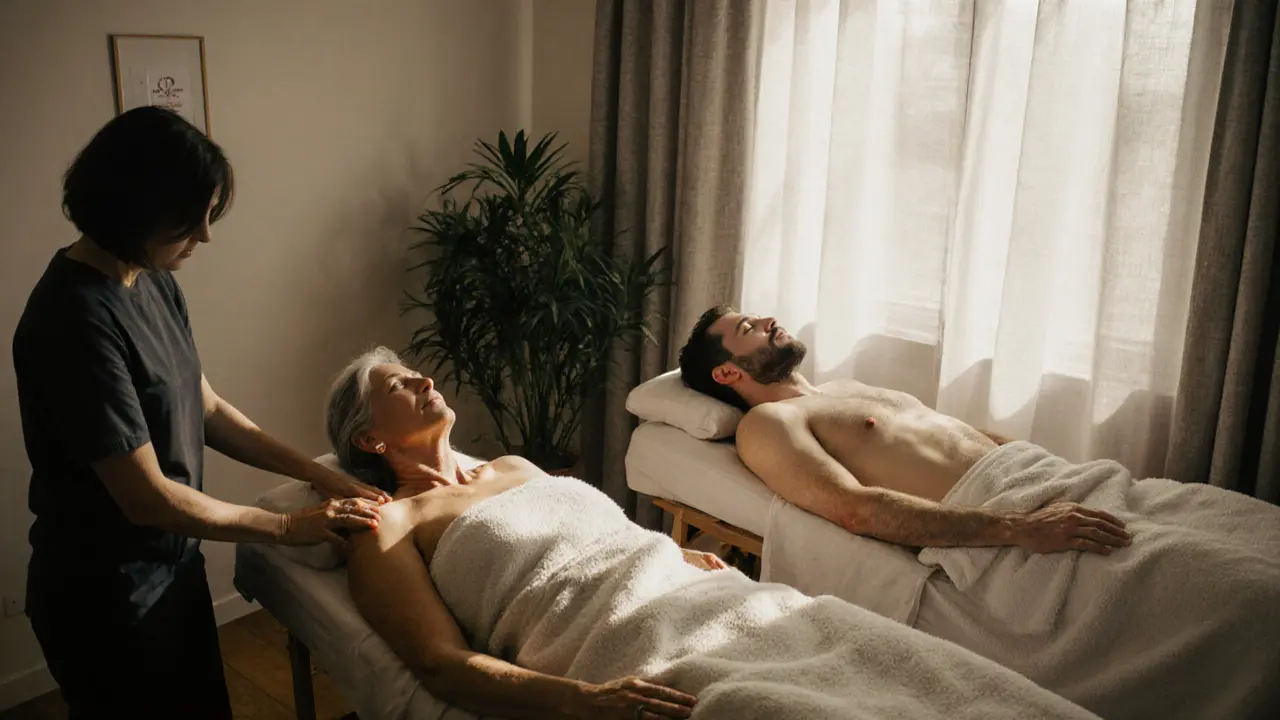
Yes. Some therapists offer joint sessions where partners receive massage side by side. This isn’t about sexual activity between you-it’s about rebuilding physical connection in a safe, guided space. It’s often used by couples who’ve lost touch after trauma, illness, or years of routine. Communication and consent are key.
How much does it cost?
Sessions typically cost between £120 and £220 for 60 to 90 minutes. Prices vary by therapist experience, location, and session length. Some offer sliding scales for students or those with financial hardship. Always ask about pricing before booking. Avoid anyone who demands full payment upfront without a consultation.
Is this therapy or just sex?
It’s neither pure therapy nor sex. It’s somatic work-a blend of touch, mindfulness, and emotional safety. Therapists are trained to help clients reconnect with their bodies, especially after trauma, stress, or emotional disconnection. While it involves erotic energy, the intent is healing, not arousal. Think of it as a form of body-based counseling.
Sex massage in London isn’t about fantasy. It’s about reality-the messy, beautiful, quiet reality of being human. In a city that values speed, efficiency, and performance, it’s radical to simply be still. To feel. To let someone else hold space for you without judgment. That’s not a service. That’s a gift.