When the sun sets over the Bosphorus, Istanbul doesn’t sleep-it transforms. One moment you’re walking past centuries-old mosques with golden domes, the next you’re stepping into a dimly lit tavern where the sound of the ney flute mingles with laughter and the smell of grilled kebabs. This city doesn’t just have nightlife; it has layers. And each layer tells a different story.
The Soul of the Past: Traditional Taverns and Meyhanes
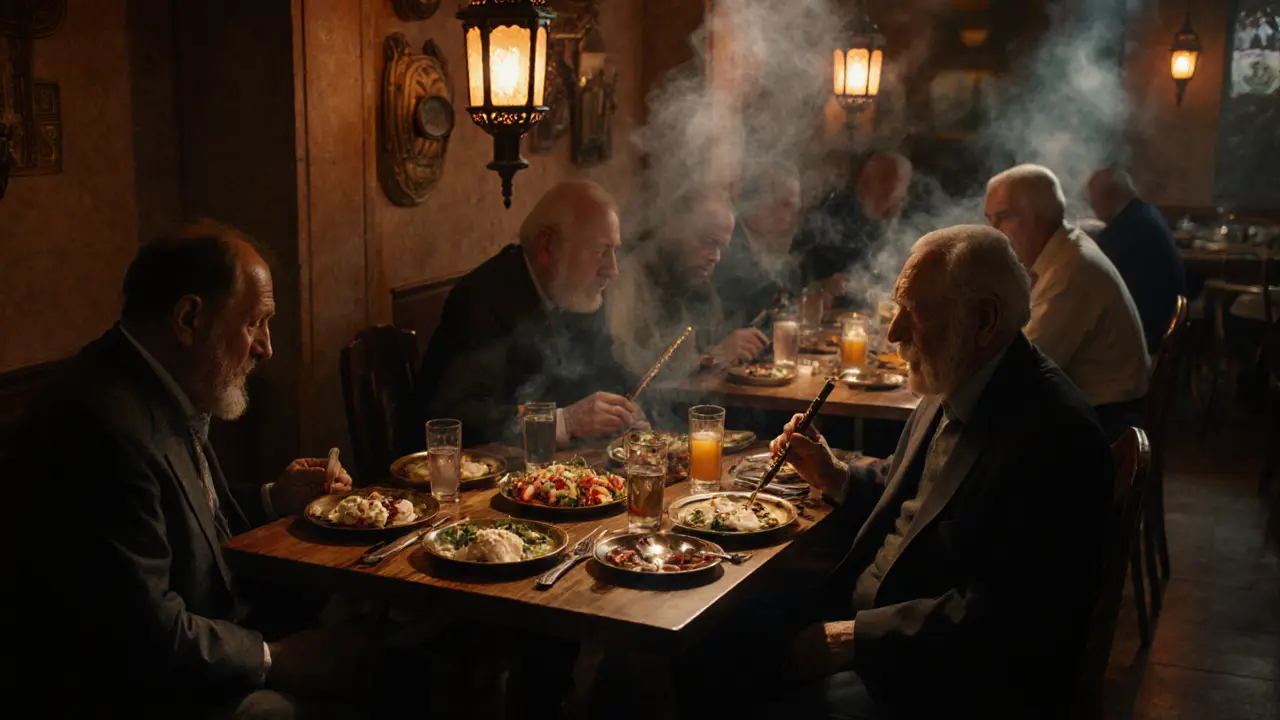
Start your night where Istanbul’s nightlife began-in the meyhanes of Beyoğlu and Kadıköy. These aren’t just bars. They’re social institutions. A traditional meyhane serves raki, the anise-flavored spirit that’s Turkey’s national drink, alongside small plates called meze. Think creamy cacık, spicy ezme, and tender octopus salad. The atmosphere? No loud music, no strobe lights. Just wooden tables, smoke curling from cigarette ends, and old men playing backgammon under flickering lanterns.
Places like Çiya Sofrası in Kadıköy and Asitane near the Spice Bazaar keep centuries-old recipes alive. At Çiya, you might hear a customer recite poetry between sips of raki. At Asitane, the food comes from Ottoman court kitchens. These spots don’t market themselves to tourists. They’re where locals go to unwind after work, to argue about politics, or to celebrate a birthday with a song.
Don’t expect a menu with prices. You’ll be handed a chalkboard with daily specials. Pay when you leave. Tipping isn’t expected-but if you stay late and the owner brings you a free dessert? That’s Istanbul.
The Pulse of the Present: Beyoğlu’s Neon Jungle
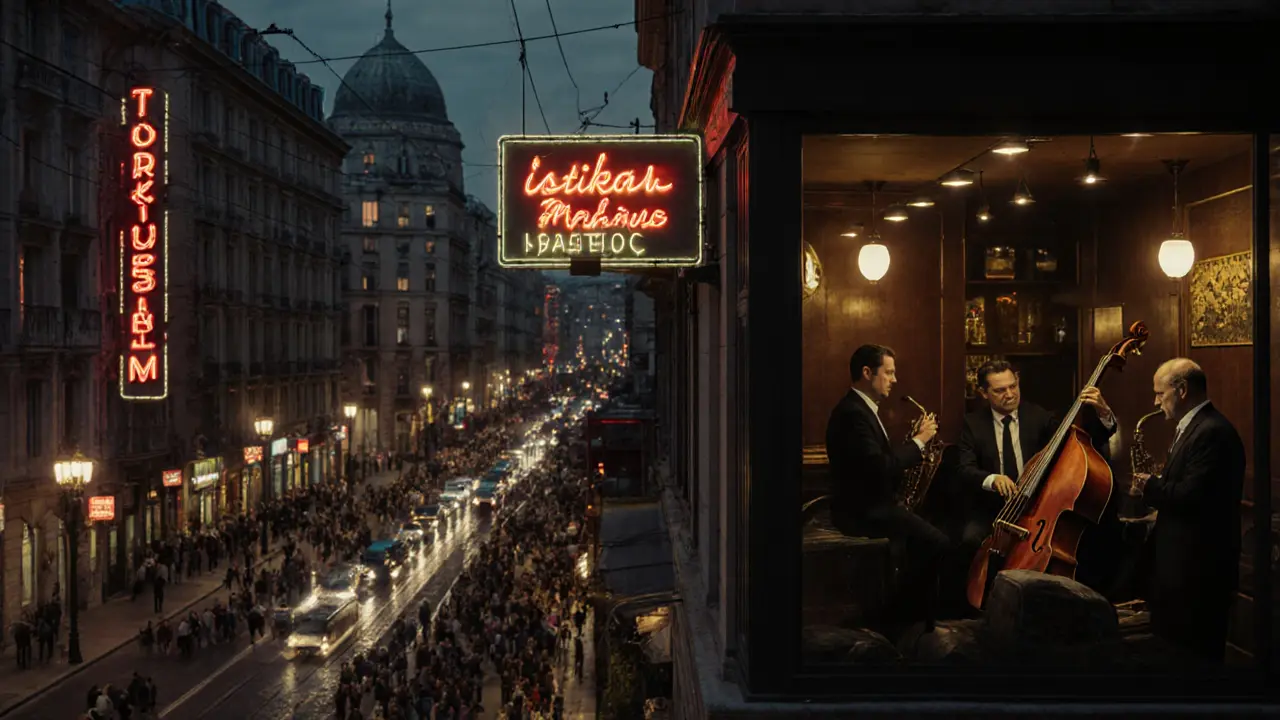
Walk up İstiklal Avenue after 10 p.m., and the quiet street of trams and bookstores turns into a river of people. Beyoğlu is Istanbul’s beating heart after dark. Here, you’ll find a wild mix: rooftop lounges with views of the Golden Horn, underground jazz clubs hidden behind unmarked doors, and bars where DJs spin Turkish pop remixes alongside techno beats.
Bar 64 on Çiçek Pasajı is a classic. Built in 1876, it used to be a wine shop. Now it’s a go-to spot for expats and locals alike. Order a gin and tonic with a twist of orange blossom, and you’ll see why it’s stayed open for nearly 150 years.
For something newer, head to Reina on the Bosphorus shore. It’s not cheap-cover charges start at 150 Turkish lira-but the view of the city lights reflected on the water is unforgettable. The crowd? Fashion designers, musicians, and international travelers who’ve heard the hype. The music? From deep house to Turkish hip-hop. The vibe? Electric, but not chaotic.
And then there’s Boğaziçi Jazz Club, tucked into a 19th-century mansion. It’s small, intimate, and booked weeks in advance. You’ll hear local musicians reinterpret classic Turkish folk songs with jazz chords. No one claps loudly. Everyone leans in.
The Underground Scene: Karaköy and Galata’s Hidden Beats
While Beyoğlu gets the headlines, the real innovation is happening in Karaköy and Galata. These neighborhoods used to be warehouses and factories. Now they’re filled with converted industrial spaces turned into clubs that feel more like art installations than nightspots.
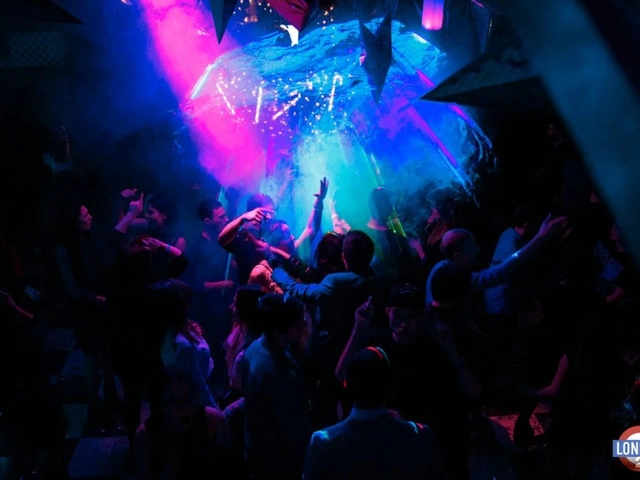
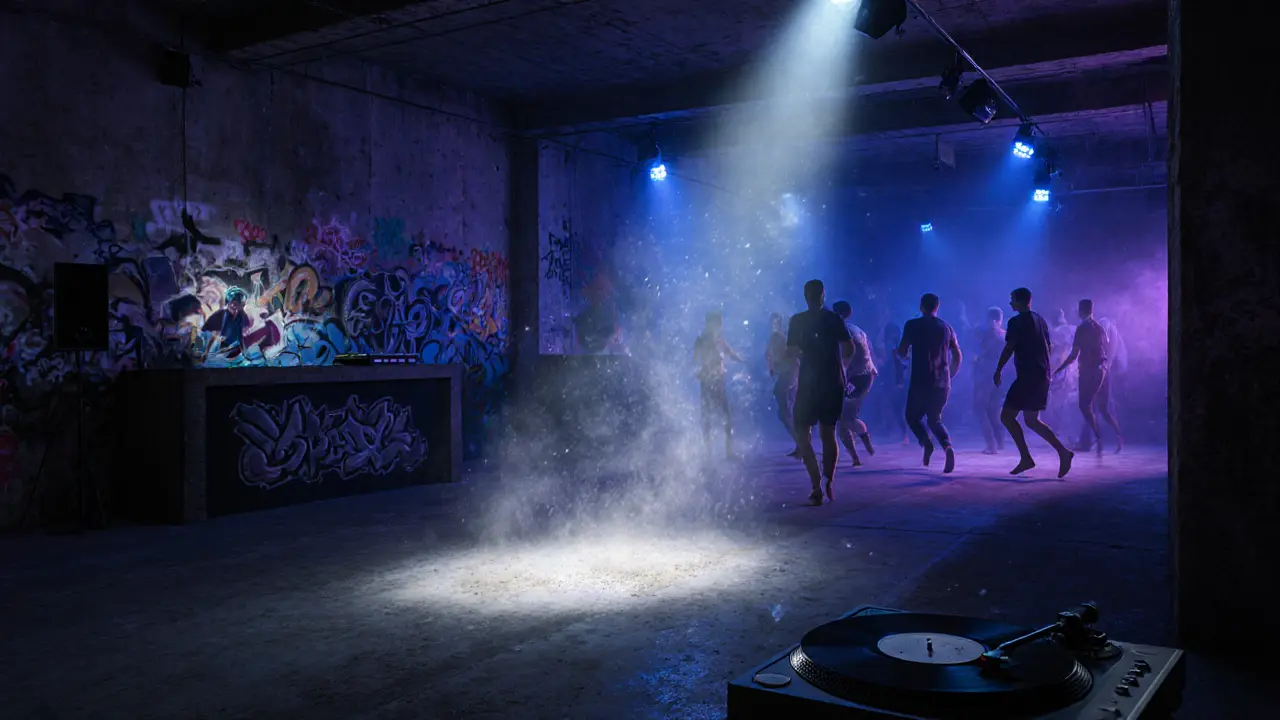
Arkaoda in Karaköy is one of the most talked-about spots. It’s a warehouse with no sign. You find it by following the bass. Inside, the walls are covered in live graffiti. The DJs don’t play playlists-they build sets based on the crowd’s energy. One night, it’s ambient techno. The next, it’s Turkish punk fusion. No dress code. No VIP section. Just music, sweat, and strangers becoming friends by 3 a.m.
Down the street, Uzun Çarşı is a record store by day and a basement club by night. They host vinyl-only sets and invite local producers to spin their own tracks. The owner, a former engineer who quit his job to open this place, says, “We don’t want people to dance to what’s trending. We want them to dance to what’s real.”
And then there’s İstanbul Modern’s Friday Nights. The museum opens its courtyard after hours. You sip wine under string lights while live electronic artists perform against projections of Turkish calligraphy. It’s not a club. It’s an experience.
The New Wave: Rooftops, Speakeasies, and Late-Night Eats
Forget the clichés. Istanbul’s nightlife now includes rooftop bars that feel like secret gardens. 360 Istanbul on the 34th floor of a tower in Levent gives you a 360-degree view of the city. The cocktails? Crafted with local herbs like mint from the Black Sea and wild thyme from Anatolia. The music? Low-key soul and bossa nova. Perfect for a slow night out with someone special.
For a true speakeasy, find Bar 1914 behind a bookshelf in a quiet alley near Taksim. You need a password-ask the bartender at 10 p.m. The drinks are expensive, but worth it. Try the “Bosphorus Negroni,” made with Turkish juniper gin. The walls are lined with vintage Ottoman maps. The vibe? Like stepping into a 1920s Istanbul novel.
And when the clubs close? The food doesn’t. Çiya stays open until 4 a.m. İskender in Beyoğlu serves its famous döner kebab with tomato sauce and melted butter until dawn. Even the 24-hour çay (tea) shops in Eminönü are alive with students, taxi drivers, and night-shift workers. In Istanbul, the night isn’t over until the tea is gone.
What to Know Before You Go
Istanbul’s nightlife is safe, but it’s not always predictable. Here’s what you need to keep in mind:
- Bring cash. Many small bars and clubs don’t take cards. ATMs are everywhere, but they charge fees.
- Respect the rhythm. Turks don’t party until midnight. Most places don’t fill up until 1 a.m. and don’t get loud until 2.
- Dress for the place. A rooftop bar? Smart casual. An underground club? Jeans and a t-shirt are fine. A traditional meyhane? No need to dress up.
- Don’t overdo the raki. It’s strong-45% alcohol. Drink it with water, and never on an empty stomach.
- Use ride-sharing apps. Uber and BiTaksi work well. Avoid taxis near clubs unless you’re sure of the meter.
When to Visit
Spring (April-May) and fall (September-October) are ideal. The weather is mild, the crowds are manageable, and festivals like the Istanbul Jazz Festival and the International Istanbul Film Festival bring extra energy. Summer is packed-especially in July and August-but the rooftop bars are at their best. Winter? Quiet, but magical. Snow dusting the minarets, warm raki in hand, and the city feels like your own secret.
Is Istanbul nightlife safe for solo travelers?
Yes, Istanbul’s nightlife is generally safe for solo travelers, especially in well-lit areas like Beyoğlu, Karaköy, and Galata. The city has a strong police presence in tourist zones, and locals are often helpful. Avoid poorly lit alleys late at night, stick to popular spots, and use trusted ride apps. Women traveling alone should expect some attention, but harassment is rare in nightlife districts. Trust your instincts-if a place feels off, leave.
What’s the best night to go out in Istanbul?
Friday and Saturday nights are the busiest, especially in clubs and rooftop bars. But if you want something more authentic, go on a Wednesday or Thursday. Locals are out, but the crowds are thinner. You’ll get better service, easier table bookings, and sometimes even free drinks from bartenders who recognize regulars. Friday nights at Reina or Arkaoda are electric, but expect to wait in line.
Are there any dress codes for Istanbul clubs?
It depends on the place. Rooftop bars like 360 Istanbul or Reina expect smart casual-no flip-flops, no shorts. Underground clubs like Arkaoda or Uzun Çarşı have no dress code at all. Traditional meyhanes are relaxed-jeans and a shirt are fine. When in doubt, lean toward neat and comfortable. No one will turn you away for being underdressed, but overdressing can make you stand out in the wrong way.
Can I find vegan or vegetarian options in Istanbul’s nightlife spots?
Absolutely. Even in traditional meyhanes, you’ll find plenty of vegan meze: stuffed grape leaves, eggplant dishes, lentil soup, hummus, and grilled vegetables. Many newer bars and clubs have vegan menus. Places like Vegetarian Istanbul in Kadıköy and Green House in Beyoğlu specialize in plant-based food and drinks. Ask for “vejeteryen” (vegetarian) or “vegan” and you’ll be understood.
How late do places stay open in Istanbul?
Most clubs close between 3 a.m. and 5 a.m., though some-like Reina or Arkaoda-stay open until 6 a.m. on weekends. Traditional meyhanes and 24-hour eateries like İskender or çay shops often stay open until dawn. The city doesn’t shut down. If you’re still hungry or thirsty at 4 a.m., there’s always a place serving food, tea, or raki.
Istanbul’s nightlife isn’t about chasing trends. It’s about finding the right corner of the city at the right time-whether that’s a 150-year-old tavern where the owner remembers your name, or a warehouse where strangers dance like they’ve known each other for years. There’s no single experience here. There are dozens. And each one is waiting for you to walk through the door.