When the sun sets in Milan, the city doesn’t sleep - it transforms.
Most tourists think of Milan as fashion runways and luxury boutiques. But after 10 p.m., the real Milan wakes up. This isn’t just a city with bars. It’s a place where DJs spin underground techno in converted warehouses, students crowd into hidden wine bars near the canals, and billionaires sip Aperol spritzes under string lights in the heart of Brera. If you’re looking for real nightlife in Milan, you need to know where to go - and where not to waste your time.
The Navigli District: Where the City Comes Alive After Dark
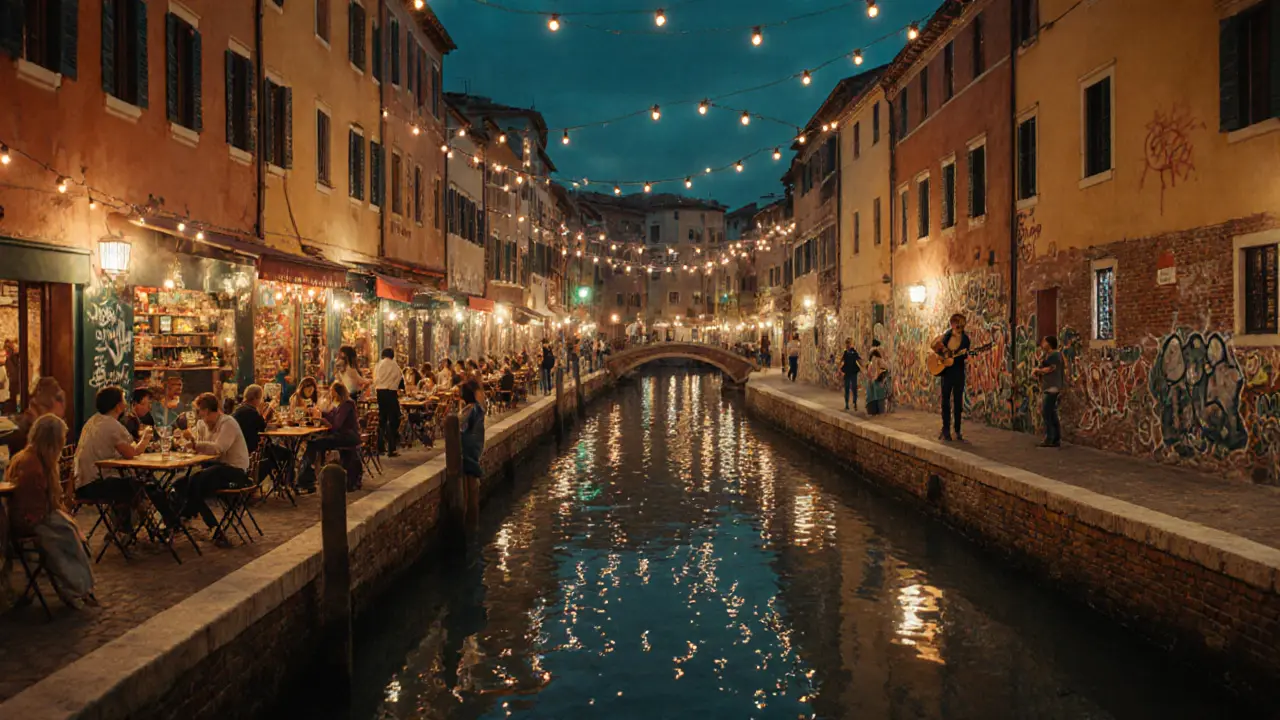
Start your night in Navigli. This is the only place in Milan where the canals aren’t just scenic - they’re social. By 9 p.m., the sidewalks along the Naviglio Grande are packed with locals and visitors alike, sipping cocktails at open-air tables. The vibe is casual, colorful, and loud in the best way. Skip the tourist traps with plastic umbrellas. Instead, head to Bar Basso - yes, the same one that invented the Negroni Sbagliato. It’s small, unmarked, and always busy. If you can’t get in, try La Bicocca for craft beers or La Tana del Lupo for live jazz and cheap wine by the glass.
Don’t leave without walking the full length of the canal. Around midnight, the street performers, tattoo artists, and spontaneous dance circles make it feel like a neighborhood festival. Locals say Navigli is where Milan’s soul shows up after work. They’re right.
Brera: Sophisticated, But Still Wild
Brera is the opposite of Navigli - quieter, darker, more intimate. But don’t mistake quiet for boring. This is where Milan’s creatives, artists, and fashion insiders unwind. The bars here aren’t loud. They’re magnetic. Bar Basso is here too, but so are places like La Peretta, a tiny wine bar that only opens at 7 p.m. and fills up by 8.30. No reservations. Just show up early or stand outside and wait. The staff knows you’re there. They’ll let you in.
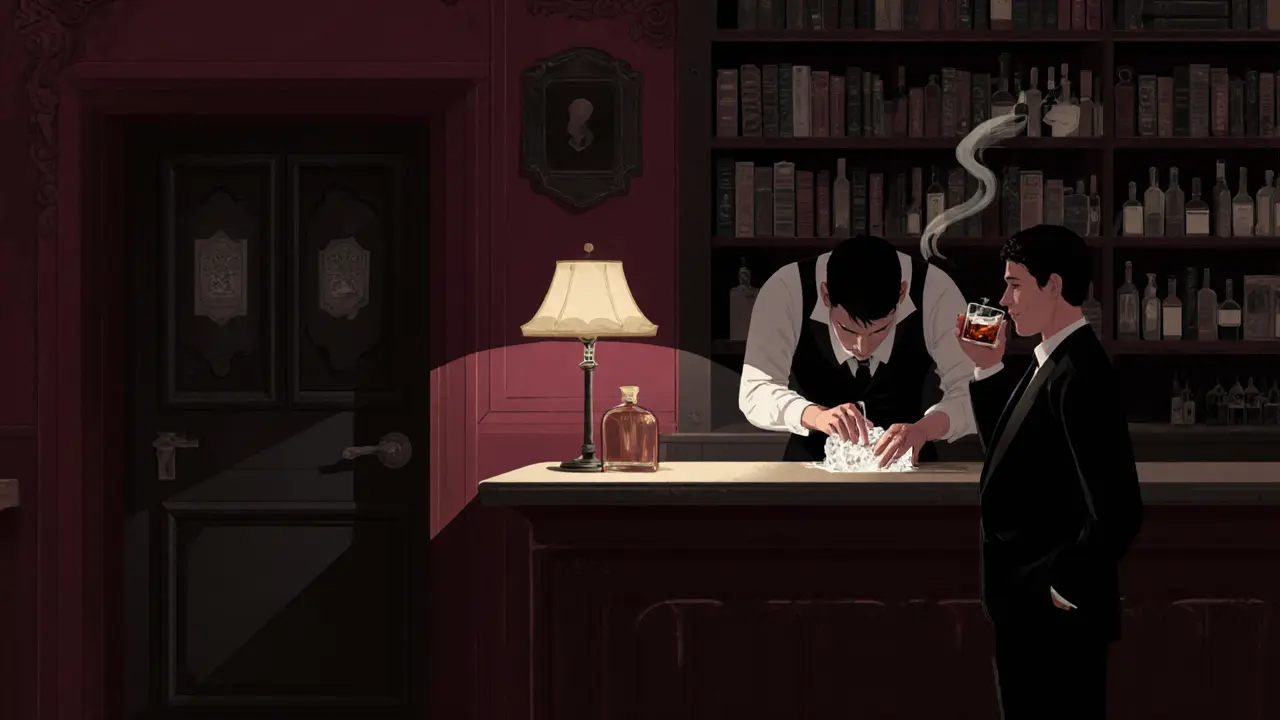
For something different, try La Bussola. It’s a speakeasy-style cocktail lounge hidden behind a bookshelf. You need to text them for the password. It’s not a gimmick - it’s a test. If you’re serious about your drinks, you’ll appreciate the precision. Their Old Fashioned is made with a single ice cube, hand-carved, and stirred for exactly 45 seconds. It’s that kind of place.
Porta Nuova and the Club Scene: Where the Big Names Play
If you want to see real DJs, big crowds, and VIP sections, head to Porta Nuova. This is Milan’s answer to Ibiza - minus the beach. The clubs here are sleek, modern, and expensive. But they’re also the only places in the city where you’ll find international names like Charlotte de Witte, Amelie Lens, or Marco Carola playing live.
Armani/Silos isn’t a club - it’s an experience. The venue hosts monthly after-parties tied to fashion events. Even if there’s no show, they often throw open-house nights with DJs and projections on the building’s walls. Entry is €30, but the crowd is worth it: models, designers, and people who actually know what they’re listening to.
La Scala Club is another staple. It’s not inside the opera house - that’s a myth. It’s a converted 1970s warehouse with a 300-person capacity, industrial lighting, and a sound system that shakes your ribs. The door policy is strict. No sneakers. No hoodies. No groups larger than four. If you show up in jeans and a T-shirt, you’ll be turned away. But if you dress sharp? You’re in.
Zone 1: Underground, Raw, and Unfiltered
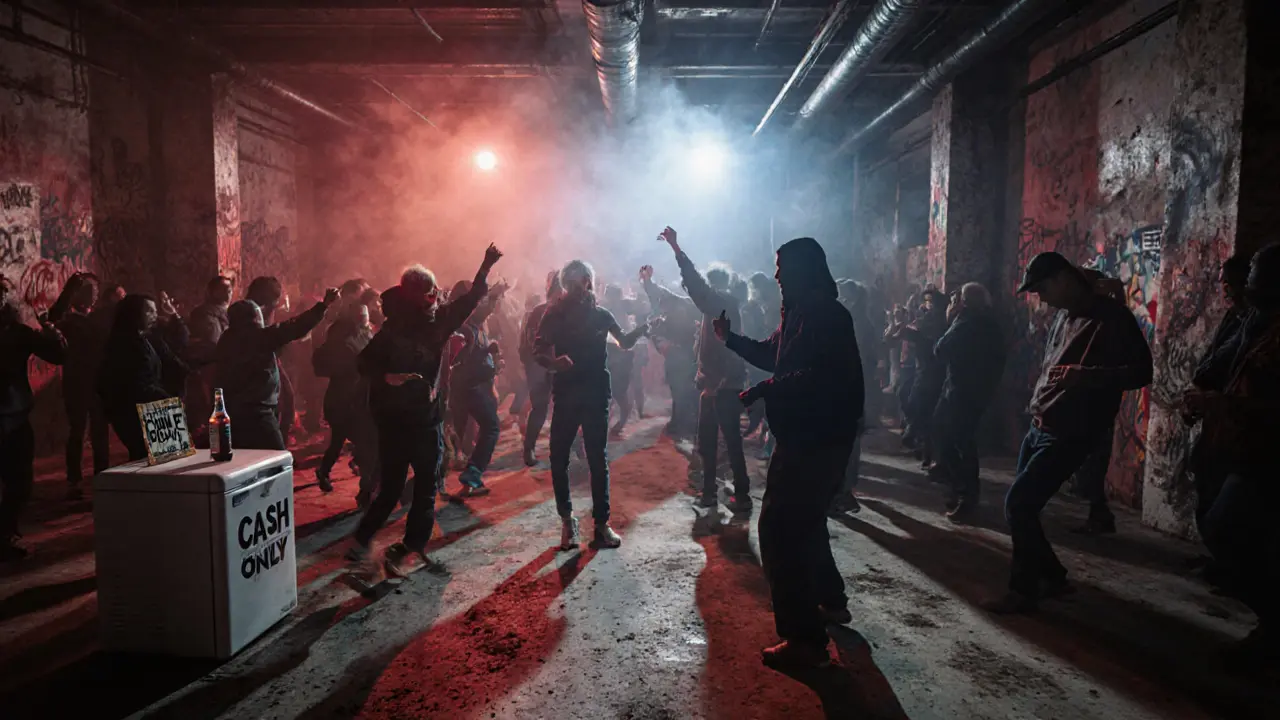
For the real party lovers - the ones who don’t care about dress codes or Instagram backdrops - head to Zone 1. This is Milan’s gritty, beautiful secret. The clubs here are in abandoned factories, parking garages, and even a former slaughterhouse. No signage. No website. You find them by word of mouth.
Ex Dogana is the most famous. It’s open only on weekends, and only if the promoter says yes. You need to join their Telegram group and wait for the location drop. It’s chaotic. The music is techno, industrial, or experimental. The crowd is mixed: students, artists, refugees from Berlin, and a few tourists who got lost and decided to stay. Entry is €10. You pay in cash. There’s no bar - just a cooler with beer and water. No one cares if you’re dressed up. They care if you’re dancing.
Another spot: Officine San Siro. It’s a 20-minute metro ride from the city center. The walls are covered in graffiti. The floor is concrete. The sound system was built by a guy who used to work at Berghain. The party starts at 1 a.m. and ends at 7 a.m. No one leaves until the last track fades. If you’ve ever wanted to experience what real European underground nightlife feels like, this is it.
What to Avoid in Milan Nightlife
Not every place with neon lights is worth your time. Skip the clubs near Piazza del Duomo. They’re overpriced, overcrowded, and play nothing but Top 40 hits from 2015. The bouncers here are aggressive, the drinks cost €18, and the music is so loud you can’t talk to your friends.
Also avoid the so-called "Italian nightlife tours" that promise "exclusive access" to clubs. They’re scams. No real club in Milan works with tour companies. If someone tells you they can get you into Armani/Silos or Ex Dogana, they’re lying. The only way in is to show up, dress right, and be cool.
And never, ever try to take photos inside a club unless you’re asked. Milanese nightlife is about presence, not posting. If you’re spending your night trying to get the perfect shot, you’re missing the point.
When to Go and How to Get Around
Weekends are the only time Milan’s nightlife truly explodes. Friday and Saturday nights are packed. Sunday is quiet - unless there’s a festival or fashion show. If you’re only here for one night, pick Friday. You’ll get the full experience.
Public transport shuts down at 1 a.m. After that, you need a taxi or Uber. But here’s the trick: Uber doesn’t work well in Milan. The app shows no cars. Instead, use Free Now (formerly MyTaxi). It’s the local app. It works. Or just walk. Milan is compact. Most hotspots are under 30 minutes apart.
What to Wear
Dress code matters - but not how you think. You don’t need a suit. You don’t need designer labels. You just need to look like you care.
In Brera and Navigli: clean jeans, a nice shirt, closed shoes. No flip-flops. No baseball caps.
In Porta Nuova clubs: tailored pants, button-down shirt, leather shoes. No sneakers. No hoodies. No shorts.
In Zone 1: whatever you want. Hoodies, ripped jeans, boots - it’s all good. But don’t show up in a suit. That’s just weird.
Final Tip: Stay Late, Stay Local
The best nights in Milan don’t end at 2 a.m. They end at 5 a.m., with coffee and cannoli at Caffè Cova or Pasticceria Marchesi. The bartenders from the clubs go there. The DJs go there. The people who actually live here go there. It’s quiet. It’s warm. And it’s the only place in the city where you can sit down after dancing for six hours and still feel like you’re part of something real.
Is Milan nightlife safe for tourists?
Yes, Milan’s nightlife is generally safe. The main areas - Navigli, Brera, Porta Nuova - are well-lit and patrolled. Avoid walking alone in industrial zones after 3 a.m., especially near the train station. Stick to busy streets. Most clubs have security, and locals are helpful if you look lost. Just don’t flash cash or expensive gear.
What’s the best night to visit Milan for nightlife?
Friday night is ideal. Clubs open early, the energy is high, and you’ll catch the best DJs. Saturday is packed but more chaotic. Sunday is quiet unless there’s a special event. Avoid Monday and Tuesday - most places are closed.
Do I need to book tables in Milan clubs?
Only for the biggest venues like Armani/Silos or La Scala Club during fashion week. For most places, especially in Navigli and Zone 1, you don’t need a reservation. Just show up. The door policy is based on vibe, not reservations. If you look like you belong, you’ll get in.
Are there any free nightlife options in Milan?
Yes. Navigli’s canal-side bars often have live music on weekends with no cover charge. Many local breweries like Birrificio Italiano host free tasting nights on Wednesdays. And if you’re in Zone 1, some underground parties are pay-what-you-want. You just need to know where to look - follow local Instagram accounts like @milan.nightlife or @zone1milano.
Can I go clubbing in Milan if I’m under 18?
No. The legal drinking age in Italy is 18, and clubs strictly enforce it. Even if you look older, you’ll be asked for ID. No exceptions. Some bars in Navigli serve non-alcoholic drinks to minors, but no club will let you in before 18.