When the sun sets in Milan, the city doesn’t sleep-it switches gears. By 10 p.m., the quiet streets of Brera turn into a buzzing mix of clinking glasses, bass-heavy beats, and laughter spilling out of hidden courtyards. This isn’t just a city that knows how to dress well-it knows how to dance, drink, and stay up late. If you’re looking for real nightlife in Milan, forget the tourist brochures. The best spots aren’t always the most famous ones. They’re the places locals return to, week after week.
Start in Navigli: Where Canals Turn Into Dance Floors
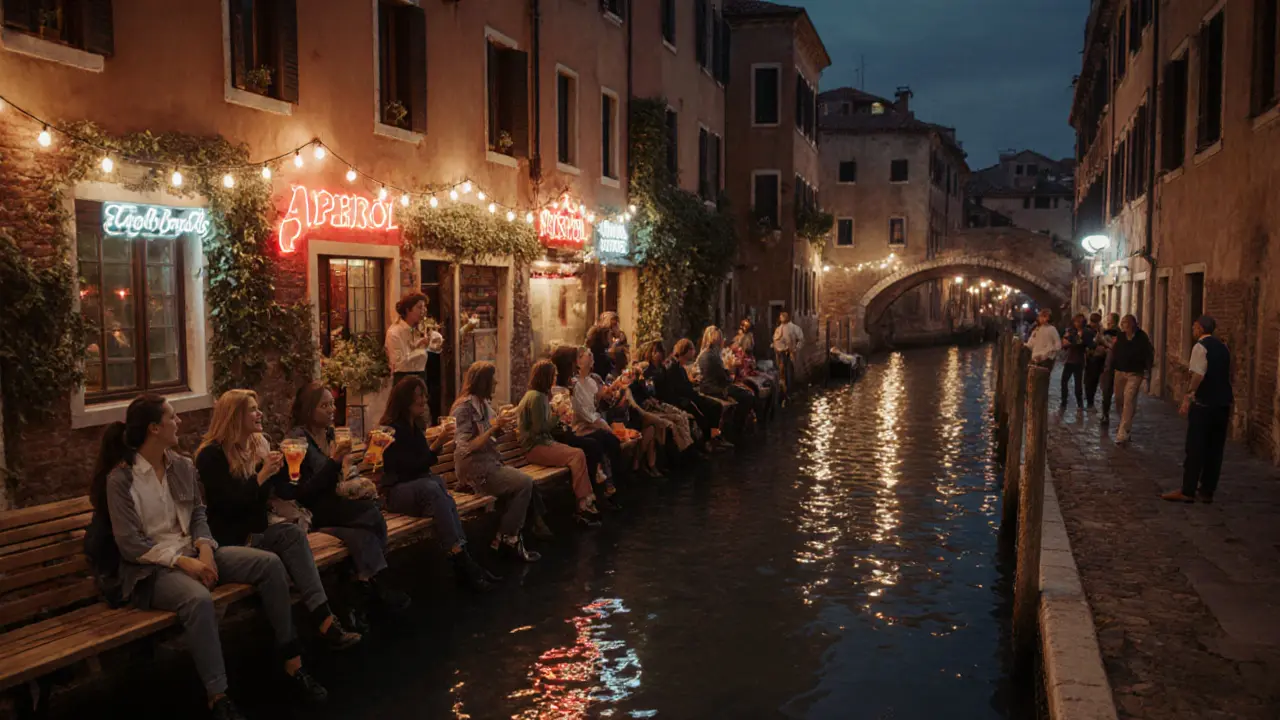
Head to Navigli, the old canal district, and you’ll feel like you’ve stepped into a movie scene. By Friday night, the waterways are lined with people sipping Aperol spritzes on wooden benches, while live jazz drifts from open windows. But the real magic happens after midnight. Bars like La Cucina di Navigli turn into underground clubs with DJs spinning everything from deep house to Italian disco. The crowd? Mix of students, artists, and expats who’ve been coming here for years. There’s no cover charge until 1 a.m., and the drinks stay under €8. That’s rare in Milan.
Don’t miss Bar Basso-yes, the same one that invented the Negroni Sbagliato. It’s not a club, but it’s where the night begins. Order the classic, sit at the counter, and watch the bartenders work like surgeons. By 11 p.m., the line starts forming. Walk in early, or wait outside with a group. It’s part of the ritual.
Brera: Chic, Cozy, and Full of Secrets
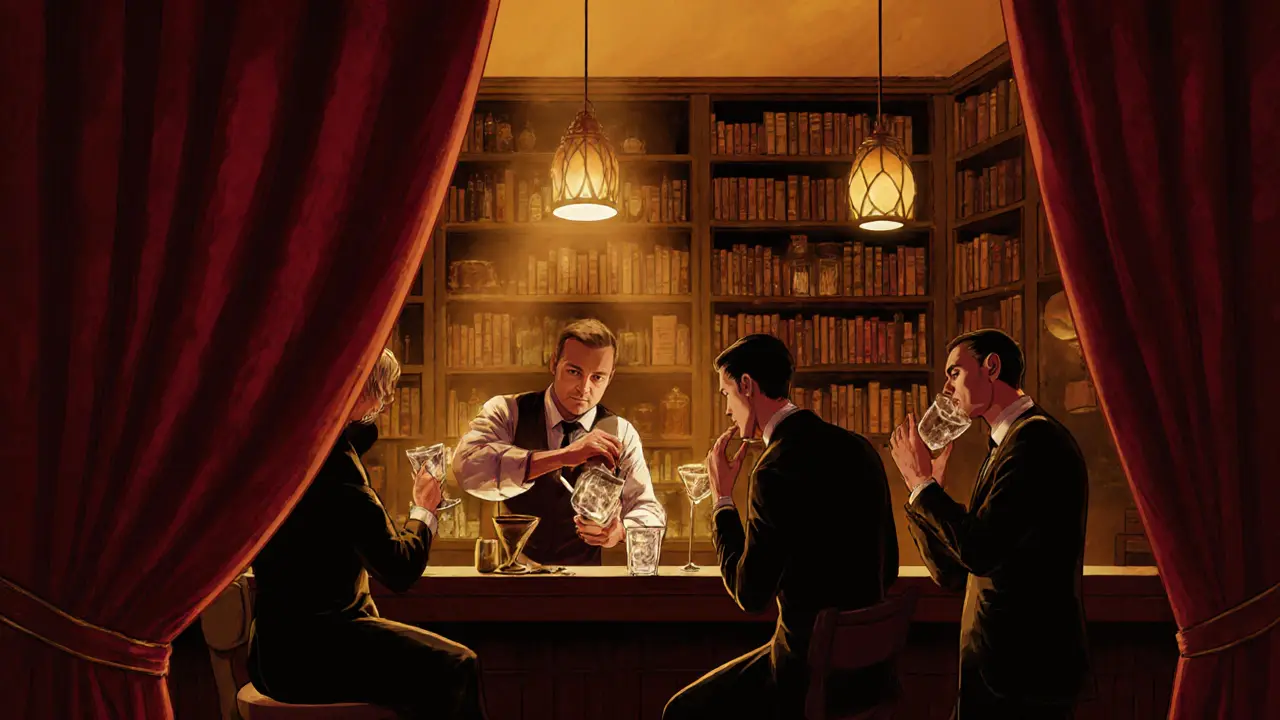
Brera is where Milan’s creative class unwinds. Think dim lighting, velvet booths, and wine lists that read like poetry. If you want something quieter than Navigli but still full of energy, this is your spot. Bar Basso is here too, but don’t stop there. La Sala is a speakeasy hidden behind a bookshelf. You need a reservation, and you’ll need to know the password (ask the bartender when you arrive). Inside, cocktails are made with house-infused spirits and served with smoked ice. No music. Just conversation. Perfect if you’re not ready to dance yet.
For something louder, try Al Covo. It’s a tiny, no-frills bar with a backroom that turns into a pop-up club every Saturday. The DJs are local, the crowd is young, and the drinks are cheap. You won’t find a menu. Just point at what’s on tap. Most nights, they play Italian indie rock or 90s R&B. People dance on the tables. No one cares. That’s the point.
Porta Venezia: The Wild Side of Milan
If you’re looking for something bold, loud, and unapologetically queer, head to Porta Venezia. This neighborhood has one of the most diverse nightlife scenes in Europe. Le Jardin is a garden bar by day and a glitter-filled club by night. Drag shows start at 1 a.m., and the dance floor never empties. The music? House, techno, and eurodance-sometimes all in one set. Bouncers don’t check IDs unless you look under 25. The vibe? Everyone’s welcome.
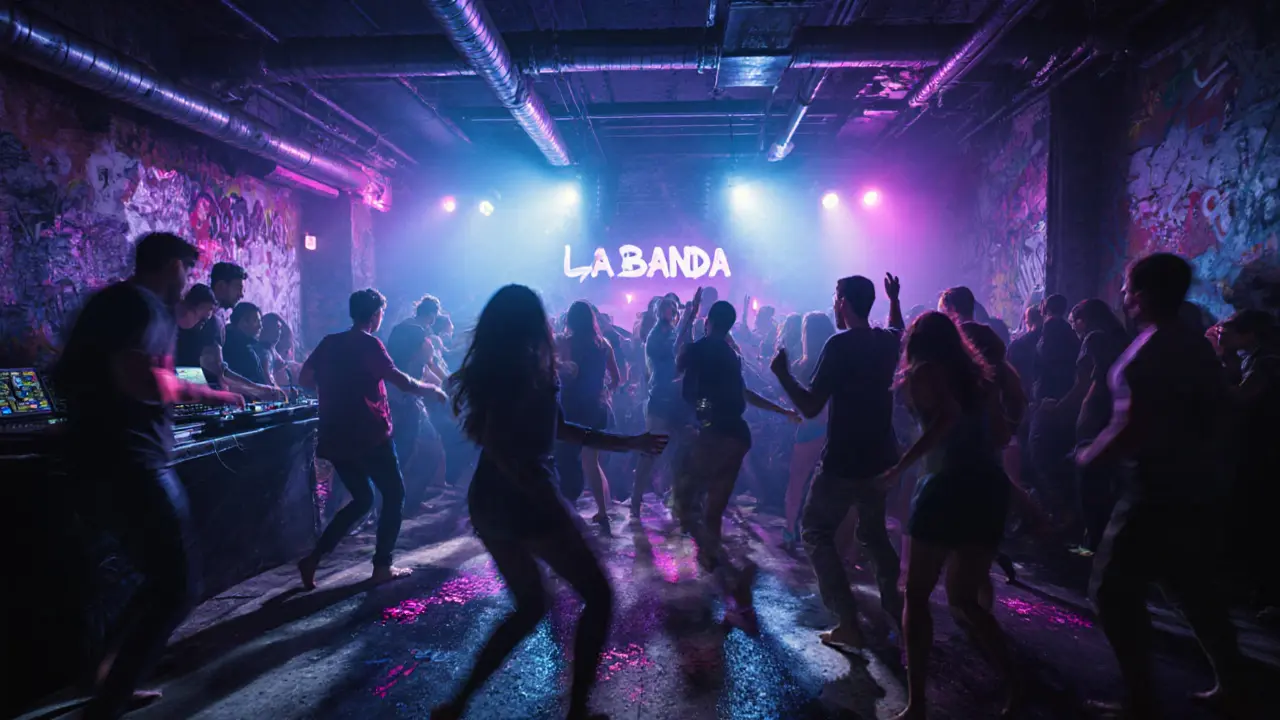
For a more underground experience, try La Banda. It’s in a converted warehouse with no sign. You’ll know you’re in the right place when you hear the thumping bass from the street. Inside, it’s dark, sweaty, and packed. The DJs are from Berlin, Tokyo, and Buenos Aires. No VIP section. No bottle service. Just music, sweat, and strangers becoming friends by 3 a.m.
Corso Como: Where the Elite Dance in Silence
Corso Como is Milan’s answer to Saint-Tropez. It’s sleek, expensive, and quiet until the clock hits midnight. Corso Como 10 is a club disguised as a boutique hotel lounge. You’ll find models, designers, and CEOs sipping champagne under hanging plants. The music is minimal techno-deep, slow, and hypnotic. The dress code? No sneakers. No shorts. No exceptions. Cover charge is €20, but it includes a drink and access to the rooftop terrace. It’s not for everyone. But if you want to see Milan’s high-end scene, this is where it lives.
Don’t expect loud music or dancing until 2 a.m. This isn’t a party. It’s a statement. People come to be seen. To network. To feel like they’re part of something exclusive. If that’s your vibe, you’ll love it. If you want to lose yourself in the music, keep walking.
San Siro: The Unexpected Nightlife Hub
Most tourists skip San Siro. Big mistake. Right after the football matches, the area explodes. Bar Sport opens its doors at 10 p.m. and doesn’t close until 6 a.m. The crowd? Local fans, students, and a few tourists who got lost. The playlist? 80s Italian pop, football chants, and random Eurovision hits. It’s chaotic. It’s real. And it’s the only place in Milan where you’ll hear a 70-year-old man singing “Volare” with a group of 20-year-olds.
Just down the street, La Casetta is a tiny bar with a backyard that turns into a pop-up dance floor. No sign. No website. Just a flickering light above the door. They serve cheap beer and grilled sandwiches. The DJ? A guy who works at the local supermarket. He plays whatever he feels like. People dance barefoot. It’s the kind of place you won’t find on Google Maps-but you’ll remember forever.
What to Know Before You Go
- Most clubs don’t open before 11 p.m. Don’t show up at 9 p.m. expecting a party.
- Many places don’t take cards. Carry at least €20 in cash.
- Dress code varies. In Navigli and Porta Venezia, jeans and a nice shirt are fine. In Corso Como, skip the sneakers.
- Public transport runs until 1:30 a.m. After that, use Uber or a taxi. The metro doesn’t run all night.
- Don’t expect English everywhere. Learn a few Italian phrases. A simple “Grazie” goes a long way.
The best nights in Milan aren’t planned. They’re stumbled upon. You’ll find them in alleyways, behind unmarked doors, or in a bar where the bartender remembers your name after one visit. That’s the secret. It’s not about the most famous club. It’s about the place that feels like yours.
What’s the best night to go out in Milan?
Friday and Saturday are the busiest nights, especially in Navigli and Porta Venezia. But if you want to avoid crowds, try Thursday. Many bars host special events-live music, themed nights, or guest DJs-without the weekend rush. Sunday nights in Brera are quiet but magical, with jazz sessions and candlelit tables.
Is Milan nightlife safe for solo travelers?
Yes, especially in central areas like Navigli, Brera, and Porta Venezia. These neighborhoods are well-lit, walkable, and patrolled. Avoid isolated streets after 3 a.m., and don’t follow strangers into alleyways. Most bars have security staff. If you feel uncomfortable, ask the bartender for help-they’ll call a taxi or walk you to the nearest metro.
Do I need to book in advance?
Only for a few places: La Sala in Brera, Corso Como 10, and some pop-up events. For most bars and clubs, you can walk in. But if you’re going to a popular spot like Bar Basso, arrive before 10:30 p.m. to avoid the 45-minute wait. Weekends = long lines. Weekdays = easy entry.
What’s the average cost for a night out in Milan?
In Navigli or Porta Venezia, expect to spend €20-€30 for 3-4 drinks and a snack. In Corso Como or upscale clubs, it’s €50-€80 with cover charge and bottle service. You can have a great night for under €25 if you stick to local bars and avoid tourist traps. Skip the clubs that charge €30 just to get in-most of the best spots don’t even have a door fee.
Are there any age restrictions?
The legal drinking age in Italy is 18. Most clubs enforce it, especially on weekends. ID checks are common if you look under 25. Some bars, especially in Porta Venezia, are more relaxed-but never assume. Always carry a passport or EU ID card. Underage entry is rare, but if you’re caught, you’ll be asked to leave.
Final Tip: Follow the Locals, Not the Apps
Don’t rely on TripAdvisor or Instagram for your night out. The top-rated bars often have long lines, overpriced drinks, and fake energy. Instead, ask a hotel staff member, a taxi driver, or even a barista: “Where do you go when you want to have fun?” You’ll get a real answer. And that’s where the real Milan nightlife lives.