Sex massage in Berlin isn’t just about pleasure-it’s a mirror of the city’s shifting attitudes toward the body, freedom, and intimacy. From underground speakeasies in the 1920s to today’s licensed wellness studios, the practice has evolved alongside Berlin’s political upheavals, sexual revolutions, and urban identity. This isn’t a story of sin or scandal. It’s a story of survival, adaptation, and quiet normalization.
Roots in the Weimar Era: When Berlin Led the World
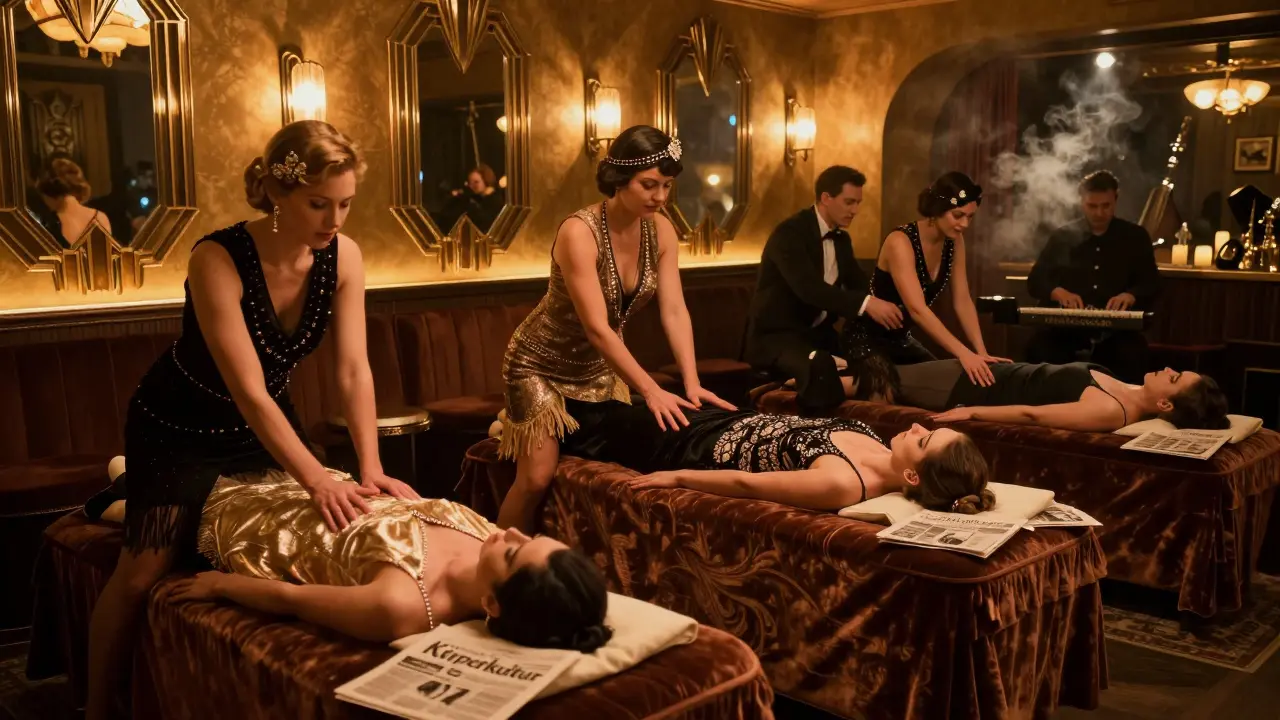
In the 1920s, Berlin was the most liberal city on Earth. Nightclubs like the Kit Kat Klub and brothels on Kurfürstendamm offered more than just drinks and dancing. Massage parlors began appearing, blending therapeutic touch with sensual stimulation. These weren’t hidden backrooms-they were advertised in newspapers, sometimes under the name “Körperkultur” or body culture. Doctors, psychologists, and artists openly discussed the benefits of touch for mental health. The city’s medical journals even published papers on the physiological effects of rhythmic massage on stress and nervous disorders.
What made Berlin different? Unlike Paris or Vienna, where erotic services were strictly regulated or banned, Berlin’s Weimar Republic tolerated-and sometimes encouraged-sexual experimentation as part of modern life. Women ran many of these establishments. Some were former dancers or nurses. Others were feminist activists who believed the body shouldn’t be controlled by morality. This was the first time in modern history that sex massage was discussed as a form of self-care, not just a service for men.
Nazi Suppression and the Silence That Followed
When the Nazis took power in 1933, everything changed. The Reich Ministry of Public Enlightenment and Propaganda labeled sensual massage as “degenerate.” Clinics were shut down. Books on erotic touch were burned. Anyone caught offering or receiving such services faced arrest or worse. By 1938, even the word “massage” in connection with pleasure was erased from public discourse.
The silence lasted decades. After World War II, Berlin was divided. In West Berlin, American and British troops brought with them a different kind of sexual openness, but the local population remained cautious. East Berlin, under Soviet rule, promoted a puritanical view of the body. Massage was allowed only in state-run physiotherapy centers, strictly for muscle recovery. The idea of touch as pleasure was seen as bourgeois decadence.
For nearly 40 years, sex massage existed only in whispers. Some underground networks persisted, especially in the Kreuzberg and Schöneberg neighborhoods. But they were small, informal, and rarely advertised. The cultural memory of Weimar-era openness had been buried, not forgotten.
Rebirth After the Wall: The 1990s Sexual Awakening
The fall of the Berlin Wall in 1989 didn’t just reunite a city-it reopened a cultural wound. Young artists, former East Germans, and returning expats began asking: What happened to our bodies? Why were we taught to fear touch?
By 1992, the first modern sex massage studios opened in Mitte. They didn’t call themselves brothels. They called themselves “sensory wellness centers.” They offered sessions with trained practitioners who had backgrounds in physiotherapy, psychology, or somatic therapy. No nudity was required. No sex occurred. But the touch was intentional, slow, and deeply personal. Clients came not for orgasm, but for release-from trauma, from loneliness, from decades of repression.
These places didn’t advertise on billboards. They relied on word-of-mouth, queer networks, and underground zines. A 1995 survey by the Berlin Institute for Sexual Health found that 17% of women and 12% of men in the city had tried a sensual massage session in the past year. That number was unheard of in any other European capital.
Legality and Modern Practice: What’s Allowed Today?
Today, sex massage in Berlin operates in a legal gray zone. Under German law, prostitution is legal, but “commercial sexual services” must not involve direct genital contact. That’s where the distinction matters. Licensed massage studios offer full-body touch-back, legs, arms, even intimate areas like the hips and glutes-but stop short of intercourse or manual stimulation. The line is clear in the eyes of the law, but blurry in practice.
There are over 120 registered wellness studios in Berlin that specialize in sensual touch. Most are run by certified therapists with degrees in bodywork, psychology, or holistic health. Many offer trauma-informed sessions for survivors of abuse, veterans with PTSD, or people recovering from long-term illness. One studio in Neukölln, Der Körperraum is a Berlin-based wellness studio founded in 2010 that combines massage therapy with mindfulness techniques to help clients reconnect with their bodies. It doesn’t accept cash. Payments go through a bank transfer. There are no mirrors in the rooms. No cameras. No names are recorded.
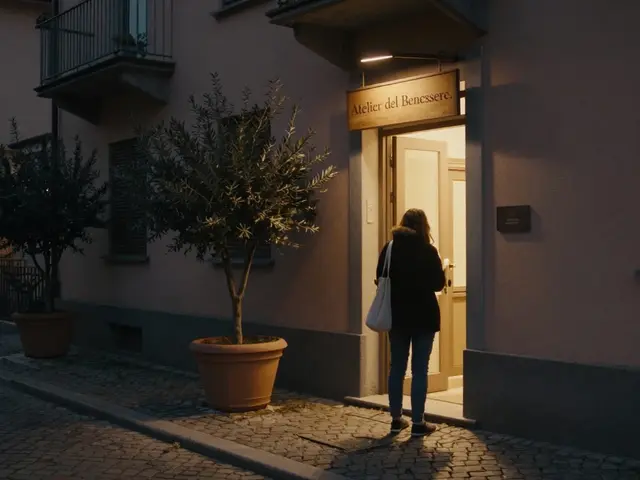
Unlike in Amsterdam or Las Vegas, there are no neon signs or window displays. These places look like yoga studios or quiet clinics. Clients book online. They’re asked to fill out a short intake form about their goals-stress relief? emotional healing? body confidence?-not their sexual preferences.
Why Berlin? The Cultural DNA of Touch
What makes Berlin unique isn’t the number of studios. It’s the philosophy behind them. In most cities, sex massage is seen as a transaction: money for pleasure. In Berlin, it’s framed as a form of therapy. The city has one of the highest rates of psychotherapy usage in Europe. People are used to talking about their feelings. They’re also used to touching in non-sexual ways-hugging friends, holding hands in public, even communal bathing in public pools.
A 2023 study by the Free University of Berlin found that 68% of Berliners believe touch is essential to mental health, even if it’s not sexual. That cultural openness makes sex massage less taboo here than in London, Paris, or New York. It’s not about sex. It’s about being seen, held, and allowed to feel safe in your own skin.
Many practitioners today are former nurses, midwives, or trauma counselors. One therapist, who asked to remain anonymous, said: “I don’t give orgasms. I give presence. That’s what people are really paying for.”
Myths and Misconceptions
There are still myths floating around. Some think sex massage in Berlin is illegal. It’s not. Others believe it’s only for men. It’s not. Women make up nearly 55% of clients. Some think it’s expensive. It’s not-sessions range from €45 to €120, depending on length and therapist experience. Others think it’s a gateway to prostitution. It rarely is. Most clients return for emotional reasons, not physical ones.
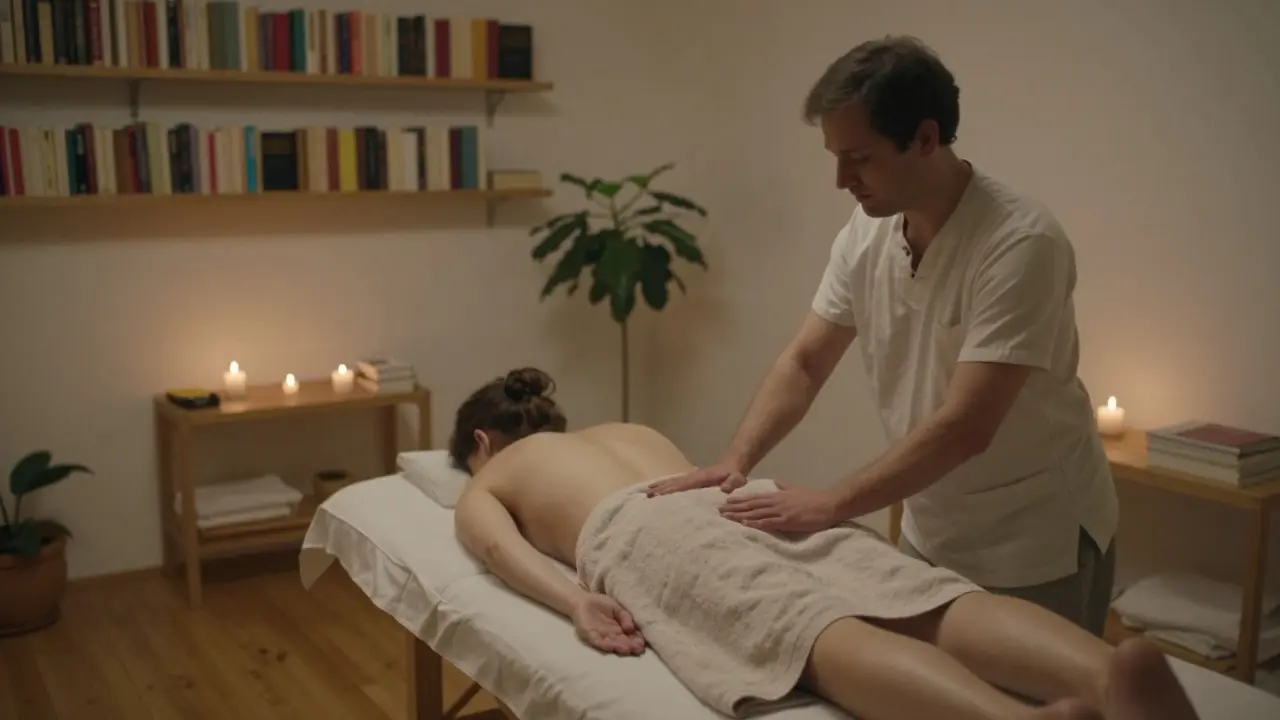
Another myth: that it’s all about nudity. In reality, most sessions are done with the client draped in towels. The therapist works with hands, forearms, and sometimes warm stones or oils. The focus is on rhythm, pressure, and breath-not arousal.
Who Goes? And Why?
Clients come from all walks of life. A 42-year-old teacher from Prenzlauer Berg who lost her husband to cancer. A 28-year-old refugee from Syria who hasn’t felt safe in his body since the war. A 55-year-old tech worker from Hamburg who says he hasn’t been hugged in three years. A transgender woman who wanted to feel her skin without shame.
There’s no typical client. But there is a common thread: loneliness. Not the kind you feel at a party. The kind you feel when you’ve spent years hiding your needs, your desires, your pain. Sex massage in Berlin doesn’t promise sex. It promises connection.
What’s Next? The Future of Touch in the City
There’s growing pressure to regulate the industry more formally. Some politicians want to classify sensual massage as a medical service, covered by health insurance. Others fear over-regulation will drive it back underground. Meanwhile, younger Berliners are starting collectives that offer free or sliding-scale sessions for low-income residents.
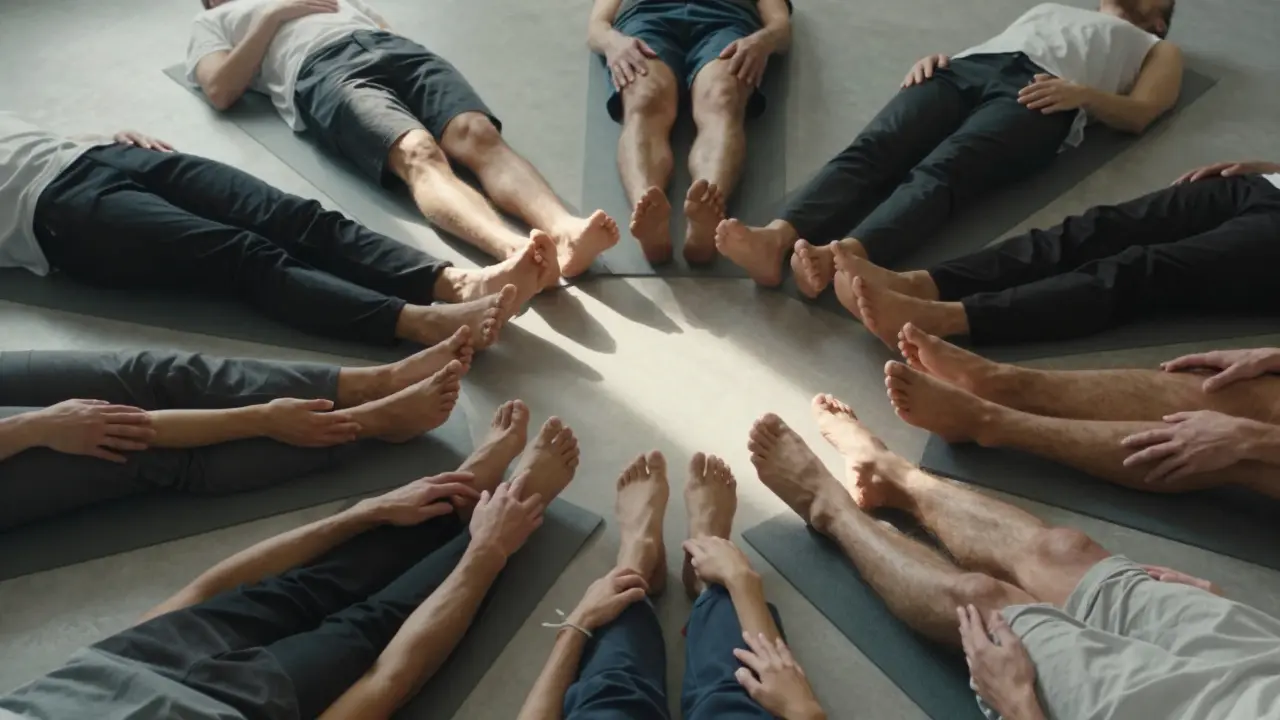
One new trend: “touch circles”-group sessions where people lie in a circle, each receiving gentle, non-sexual touch from others. No talking. No eye contact. Just skin, breath, and silence. They’ve become popular in community centers in Neukölln and Wedding. Attendance has tripled since 2022.
Sex massage in Berlin isn’t dying. It’s maturing. It’s moving from the fringe to the mainstream-not because of tourism or porn, but because the city finally learned how to listen to its own body.
Is sex massage legal in Berlin?
Yes, but with limits. Under German law, any service that involves direct genital contact or sexual intercourse is considered prostitution and is regulated separately. Sensual massage that stops short of intercourse-such as full-body touch with towels, no penetration, and no explicit sexual acts-is legal and operates as wellness therapy. Most licensed studios follow these boundaries to stay within the law.
Can women receive sex massage in Berlin?
Absolutely. Women make up the majority of clients at most reputable studios. Many women seek these sessions for emotional healing, trauma recovery, or simply to reconnect with their bodies after illness, childbirth, or loss. Studios often have female therapists available upon request, and privacy is strictly maintained.
Do I need to be naked during a session?
No. Most sessions are conducted with the client draped in towels or sheets. Only the area being worked on is exposed. Many clients choose to keep underwear on. The goal is comfort, not exposure. Practitioners are trained to respect boundaries and will stop immediately if you feel uneasy.
How much does a session cost in Berlin?
Prices vary based on location, therapist experience, and session length. A standard 60-minute session typically costs between €45 and €80. Premium studios with certified therapists or specialized techniques (like somatic therapy or trauma-informed touch) may charge up to €120. Some studios offer sliding-scale rates for students or low-income clients.
Are these services only for couples?
No. The vast majority of clients come alone. In fact, most studios discourage bringing partners, as the experience is meant to be personal and introspective. Some places offer couple’s sessions, but they’re rare and focus on communication and shared touch-not sexual activity.
How do I find a reputable studio in Berlin?
Look for studios that list therapist credentials (physiotherapy, psychology, or somatic training), have clear privacy policies, and avoid sexualized language on their websites. Avoid places that use suggestive photos or promise “erotic experiences.” Reputable studios focus on wellness, healing, and boundaries. Check reviews on platforms like Google or local wellness forums. Many also offer free 15-minute consultations before booking.
Can I use health insurance for sex massage in Berlin?
Not yet. Most sessions are considered wellness services, not medical treatments. However, some private insurers cover bodywork if prescribed by a doctor for chronic pain or trauma recovery. A few clinics are lobbying to have sensual massage classified as a therapeutic modality, similar to acupuncture or physiotherapy. That change could happen within the next five years.
Final Thoughts: Touch as Resistance
Berlin’s history with sex massage isn’t about sex. It’s about control. Who gets to touch? Who gets to be touched? Who gets to feel safe in their own skin? For decades, the state, the church, and the market tried to answer those questions for people. Now, Berliners are answering them for themselves-quietly, carefully, one touch at a time.