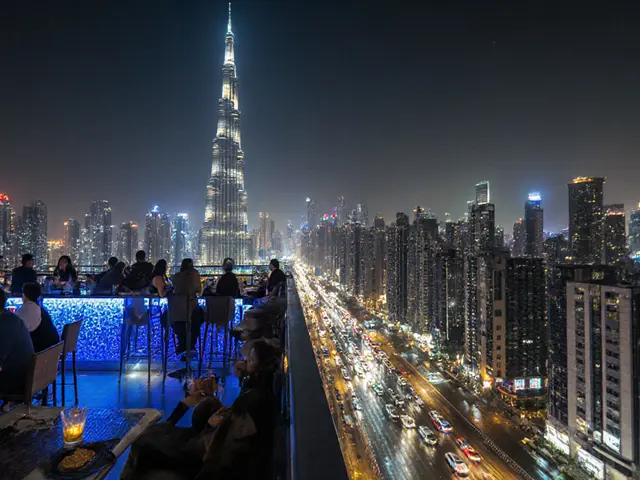
When the sun sets in Milan, the city doesn’t sleep - it switches gears.
Forget the runway shows and designer boutiques for a minute. After 10 p.m., Milan transforms into a buzzing playground of hidden speakeasies, rooftop lounges, and underground clubs where locals dance until dawn. This isn’t just partying - it’s a cultural ritual. The city’s nightlife isn’t about flashy signs or tourist traps. It’s about finding the right corner, the right vibe, and the right crowd. Whether you’re into jazz in a basement cellar or bass-heavy beats in a converted warehouse, Milan delivers. Here are the 10 spots that actually matter.
1. Perché No?
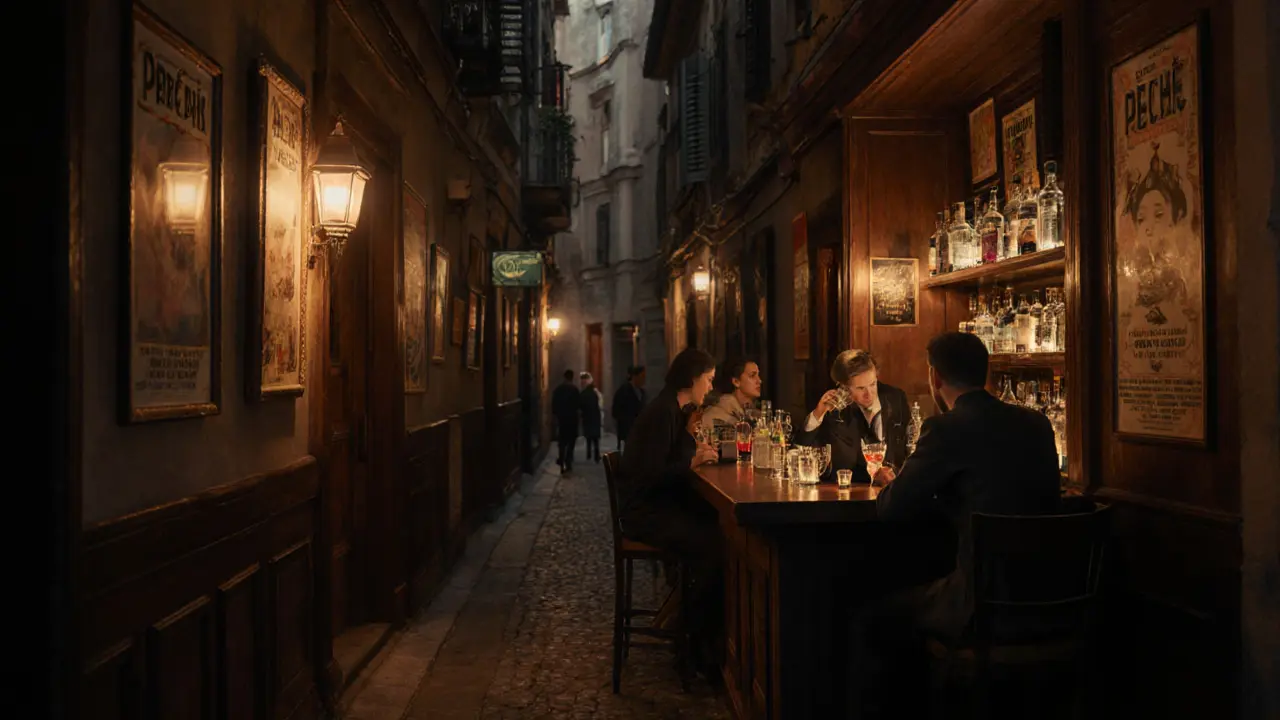
Open since 1978, Perché No? isn’t just a bar - it’s a legend. Tucked into a quiet alley near the Duomo, this place looks unassuming from the outside, but step inside and you’re hit with a wall of vintage posters, dim lighting, and the smell of old wood and gin. The crowd? Designers, artists, and old-school Milanese who’ve been coming here for decades. The music? A mix of Italian crooners, 70s funk, and rare vinyl. No DJs, no loud speakers, just a bartender who knows your name by the second drink. It’s the kind of place where time slows down.
2. Terrazza Aperol
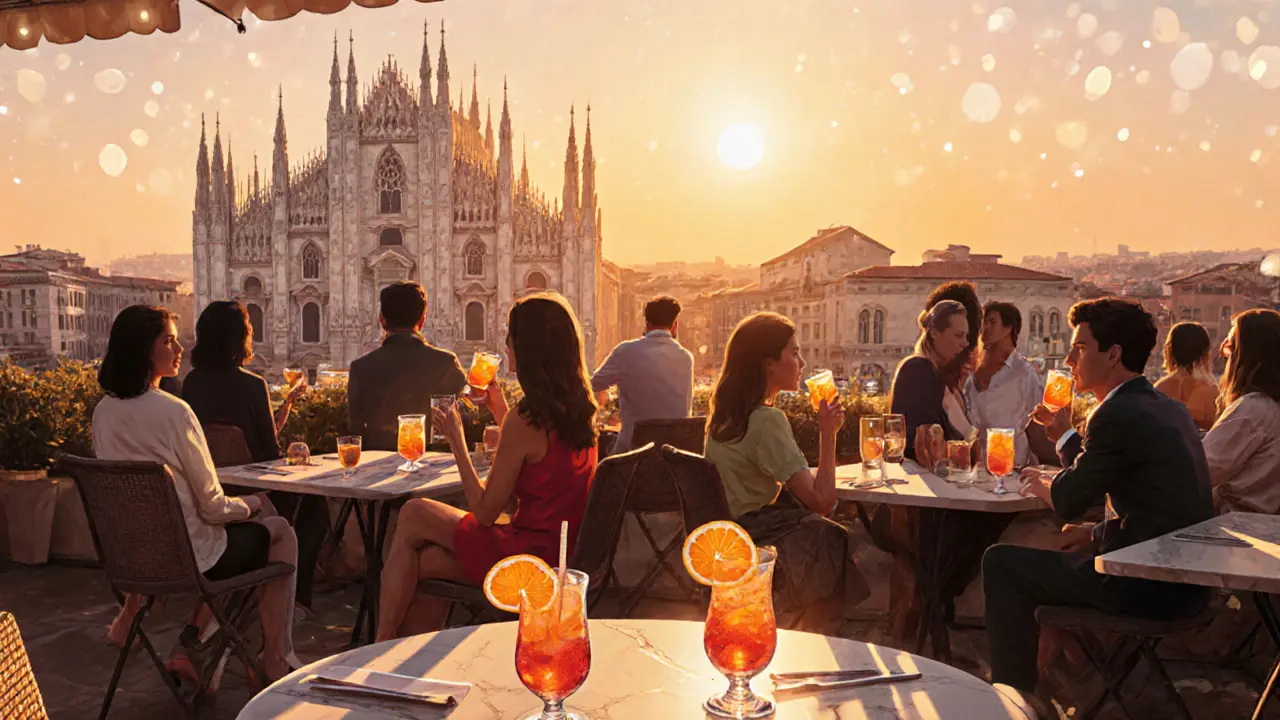
Right on the edge of the Brera district, Terrazza Aperol offers one of the best views in the city. At sunset, the terrace fills with people sipping Aperol spritzes as the golden light hits the Duomo’s spires. It’s touristy, sure - but not in a bad way. The energy here is electric, and the cocktails are perfectly balanced. Go early, grab a table by the railing, and watch the city light up. It’s the perfect pre-party ritual. The staff know how to pour the perfect spritz - no overdone orange slices, no watery mix. Just bitter, sweet, fizzy perfection.
3. Luce
Down a narrow stairway under a nondescript door in Porta Venezia, Luce feels like you’ve stumbled into someone’s secret apartment. Low couches, hanging lanterns, and a playlist that shifts from Brazilian bossa nova to deep house without warning. This isn’t a club - it’s an experience. The crowd is young, stylish, and quiet. You won’t hear people shouting over music here. You’ll hear laughter, whispers, and the clink of glasses. The cocktails are handmade with local herbs and house-infused spirits. Try the Grappa & Rosemary Sour - it’s the kind of drink that makes you pause and think, Why didn’t I think of this?
4. La Scala Night
Yes, the famous opera house has a nightlife side. Every Friday and Saturday after the evening performance, La Scala Night opens its backstage lounge to the public. No tickets to the show? No problem. You just need to show up after 11 p.m. The space is transformed into a sleek, candlelit bar with live jazz and champagne flowing. The crowd? Opera lovers, fashion insiders, and curious travelers. It’s classy without being stiff. The bartenders serve cocktails named after famous composers. The Verdi Sparkle - prosecco, elderflower, and a touch of violet - is a must. You won’t find this anywhere else in the world.
5. Boccondivino
Don’t let the name fool you - Boccondivino isn’t just a wine bar. It’s a 24-hour cultural hub. By day, it’s a cozy spot for espresso and panini. By night, it turns into a lively gathering place with live acoustic sets and a rotating lineup of local musicians. The wine list? Over 120 Italian bottles, all chosen by a sommelier who travels to small vineyards every month. The food? Simple, fresh, and made with ingredients from northern Italy. The best part? No cover charge, no dress code. Just good wine, good music, and people who actually want to talk. It’s the antidote to the overpriced, overhyped clubs.
6. Officine Umane
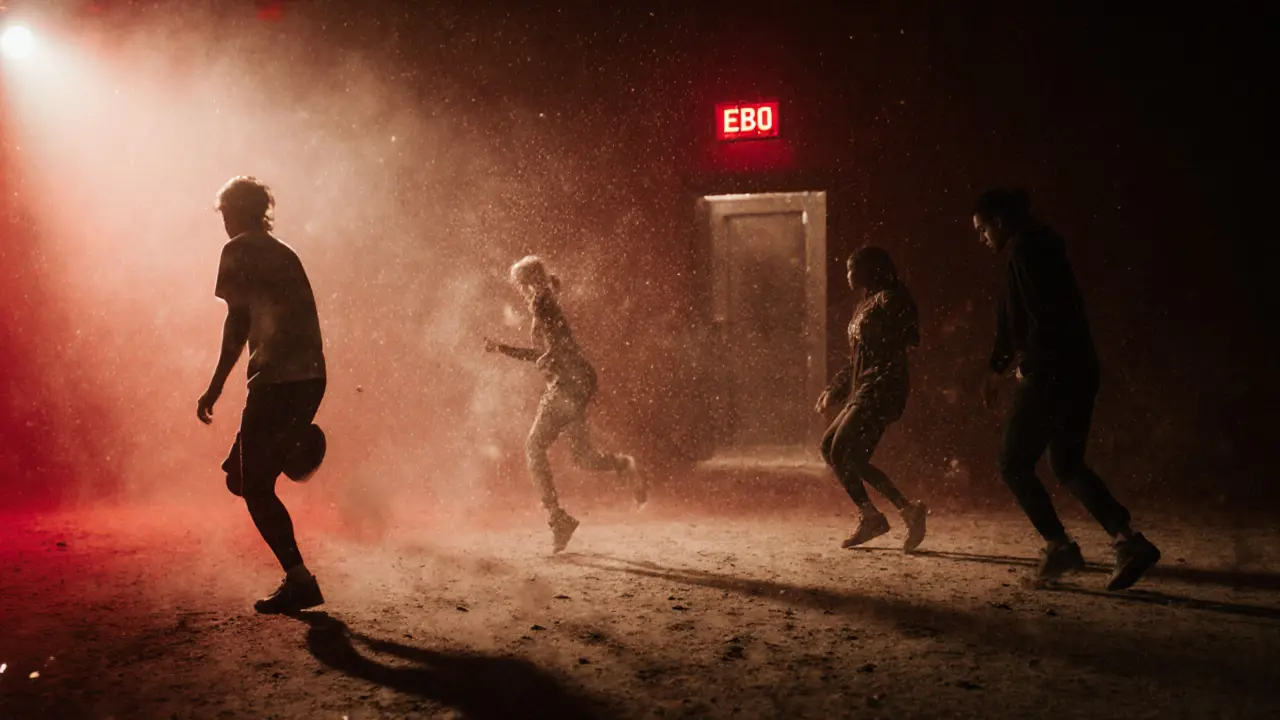
Located in the former industrial zone of Lambrate, Officine Umane is a converted factory turned into a multi-level nightlife complex. On the ground floor, you’ll find a record shop and a coffee bar. Upstairs, there’s a vinyl-only dance floor that plays everything from 80s Italo disco to modern techno. The basement? A hidden bar with cocktails made from foraged ingredients. The crowd here is diverse - students, DJs, architects, and expats. The vibe is raw, real, and unpolished. You won’t see influencers posing for selfies here. You’ll see people dancing like no one’s watching. The place doesn’t open until midnight, and it’s packed by 2 a.m. Get there early if you want a seat.
7. Bar Basso
If you’ve heard of the Negroni, you’ve heard of Bar Basso. This tiny bar in the heart of the city claims to have invented the drink in the 1940s. It’s not just history - it’s still the best place to taste one. The bartenders here don’t just pour drinks - they perform. Each Negroni is made with precision, using the exact same ratio of gin, vermouth, and Campari that the founder used. The bar is always full, but no one rushes. You sit at the counter, watch the ritual, and sip slowly. It’s not loud. It’s not flashy. But it’s the most authentic taste of Milan you’ll find after dark.
8. Cova Bar
Once a historic pastry shop since 1817, Cova Bar now doubles as a chic nighttime retreat. The interior is all marble, brass, and velvet - think old-world luxury with a modern twist. The cocktail menu changes monthly, inspired by Milan’s art scene. Last month’s theme? “Futurist Flavors” - drinks named after Italian avant-garde artists. The Marinetti Mule - vodka, ginger, and blackberry balsamic - was a hit. The crowd is older, wealthier, and more reserved than other spots. But that’s part of the charm. Come for the drinks, stay for the silence. It’s the kind of place where you can think, reflect, and just be.
9. La Bicocca
Far from the tourist zones, in the Bicocca neighborhood, lies La Bicocca - a warehouse-turned-club that plays only underground electronic music. No branding, no logo, no social media presence. You find it by word of mouth. The entrance is unmarked. The sound system? Built by a local engineer who spent three years tuning it. The music? Minimal techno, ambient, and experimental beats that don’t follow trends. The crowd? Mostly locals in their 30s and 40s who’ve been coming for 15 years. It’s not for everyone. But if you want to hear music that feels alive, not manufactured, this is it. Doors open at 1 a.m. and stay open until sunrise.
10. The Roof at Armani/Silos
On the top floor of the Armani/Silos museum, The Roof offers a view of Milan’s skyline you won’t find anywhere else. The bar is minimalist - white tables, glass walls, and soft lighting. The cocktails are inspired by Armani’s fashion collections. The Black Silk Martini - gin, black sesame, and yuzu - is smooth, unexpected, and unforgettable. The crowd? Fashion editors, designers, and collectors who come here to unwind after gallery openings. It’s expensive, yes. But it’s also one of the few places in Milan where you can sit under the stars and feel like you’re part of something timeless.
What to Know Before You Go
Milan’s nightlife doesn’t run on tourist hours. Most places don’t get busy until after 11 p.m. And many don’t even open until midnight. Dress smart - no sneakers, no hoodies. Italians notice. You don’t need a suit, but jeans and a nice shirt will get you in. Cash is still king in many spots, especially the smaller bars. ATMs are rare inside venues. And don’t expect to find American-style happy hours. Milan drinks slowly, deliberately.
Best Time to Experience Milan Nights
Weekends are the peak, but if you want the real vibe, go on a Thursday or Friday. That’s when the locals truly let loose. Avoid July and August - many places close for summer holidays. The best months? September through November. The weather is cool, the crowds are thinner, and the energy is just right.
How to Get Around
Public transport runs until 1:30 a.m. on weekdays and 2:30 a.m. on weekends. After that, taxis are your best bet. Uber isn’t widely available - stick to local services like FreeNow or the official Milan taxi app. Walking is fine in the city center, but avoid the outskirts after dark. Stick to Brera, Porta Venezia, and Navigli - they’re the safest and most vibrant.
Why Milan’s Nightlife Feels Different
It’s not about quantity. It’s about quality. Milan doesn’t need 50 clubs to feel alive. It needs five perfect ones. The city’s nightlife is shaped by its history - a blend of elegance, rebellion, and craftsmanship. You won’t find neon signs or EDM drops here. You’ll find craftsmanship in every drink, every note, every conversation. It’s the kind of nightlife that stays with you long after you’ve left.
What time do clubs in Milan usually open?
Most clubs in Milan don’t start getting busy until after midnight. Some, like Officine Umane and La Bicocca, don’t even open until 1 a.m. or later. Bars and lounges typically start filling up around 10:30 p.m., but the real energy kicks in after 1 a.m.
Is Milan nightlife safe for tourists?
Yes, Milan is generally safe at night, especially in popular areas like Brera, Navigli, and Porta Venezia. Stick to well-lit streets and avoid walking alone in industrial zones or deserted alleys after 2 a.m. Always use official taxis or ride apps after midnight. Pickpocketing is rare but still possible in crowded bars - keep your bag zipped and your phone secure.
Do I need to make reservations for Milan nightlife spots?
For rooftop bars like The Roof at Armani/Silos or La Scala Night, reservations are recommended, especially on weekends. For most other places - Perché No?, Luce, Boccondivino - you can just show up. But if you want a table at Terrazza Aperol at sunset, get there early. No need to book weeks ahead, but arriving before 11 p.m. helps.
What’s the dress code for Milan nightlife?
Milan is fashion-forward, even at night. No flip-flops, no athletic wear, no hoodies. For most bars, clean jeans and a button-down shirt or a stylish top will do. For upscale spots like The Roof or Cova Bar, opt for a blazer or a sleek dress. It’s not about being flashy - it’s about looking put together.
Are there any vegan-friendly nightlife options in Milan?
Absolutely. Boccondivino offers a full vegan aperitivo menu with plant-based crostini and seasonal salads. Luce has vegan cocktails made with house-infused spirits. Even Perché No? can make vegan snacks on request. Milan is one of the most vegan-friendly cities in Europe - you won’t struggle to find good options.
Where to Go Next
After exploring Milan’s nightlife, consider a morning visit to the Brera Art Gallery or a stroll through the Navigli canals. The city’s energy shifts dramatically between day and night - and both are worth experiencing. If you’re planning a longer trip, pair this with a visit to Lake Como or the Alps for contrast. Milan doesn’t just live at night - it breathes all day long.