Paris doesn’t sleep when the sun goes down. While the Eiffel Tower sparkles and the Seine glows under string lights, the city’s real pulse begins in dimly lit basements, rooftop lounges, and hidden jazz cellars. This isn’t just about drinking and dancing-it’s about sound, history, and atmosphere. Whether you want to hear a trumpet cry through smoke-filled air or lose yourself in a four-hour electro set under flickering neon, Paris delivers. And it’s not just one scene. It’s dozens, layered over decades, each with its own rhythm.
Where Jazz Still Breathes in Paris
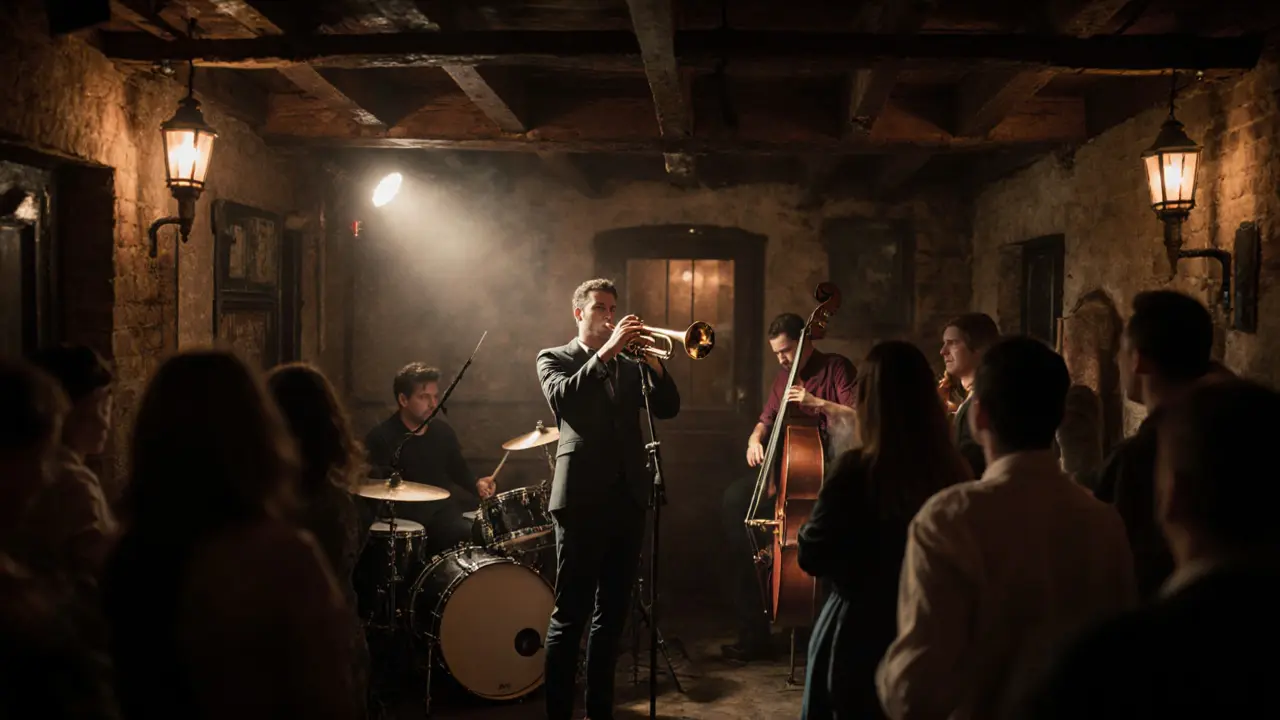
Jazz isn’t a tourist show in Paris-it’s a living tradition. The city didn’t just welcome jazz in the 1920s; it made it its own. Black American musicians fleeing segregation found a home here, and the music stuck. Today, you can still find that raw, unfiltered energy in places like Le Caveau de la Huchette, where the band plays straight through from 9 p.m. to 2 a.m., no breaks, no fancy lighting. You’ll hear standards like Autumn Leaves and St. Louis Blues, but also modern twists that keep it alive. The crowd? Mix of locals in sweaters, tourists with cameras, and old-timers who’ve been coming since the ’70s.
For something quieter but just as deep, head to New Morning in the 10th arrondissement. It’s not a basement club-it’s a proper concert hall with a stage, a sound system that costs more than your car, and a lineup that brings in names like Christian Scott and Cyrille Aimée. Tickets start at €15, and you’re not just watching a show-you’re in the room with musicians who’ve spent years mastering their craft. No gimmicks. No cover bands. Just pure, uncut jazz.
Don’t skip La Cigale on weekends. It’s bigger, louder, and often features fusion acts-jazz mixed with hip-hop, soul, or even electronic beats. It’s where the old guard meets the new generation. You’ll leave with your ears ringing and your heart full.
The Electro Underbelly: Where the Night Gets Weird
If jazz is Paris’s soul, electro is its nervous system. The city’s underground electronic scene thrives in warehouses, abandoned factories, and secret basements. You won’t find it on Google Maps. You’ll find it by word of mouth, on Instagram stories, or in the whispers of a bartender who says, “Try La Station.”
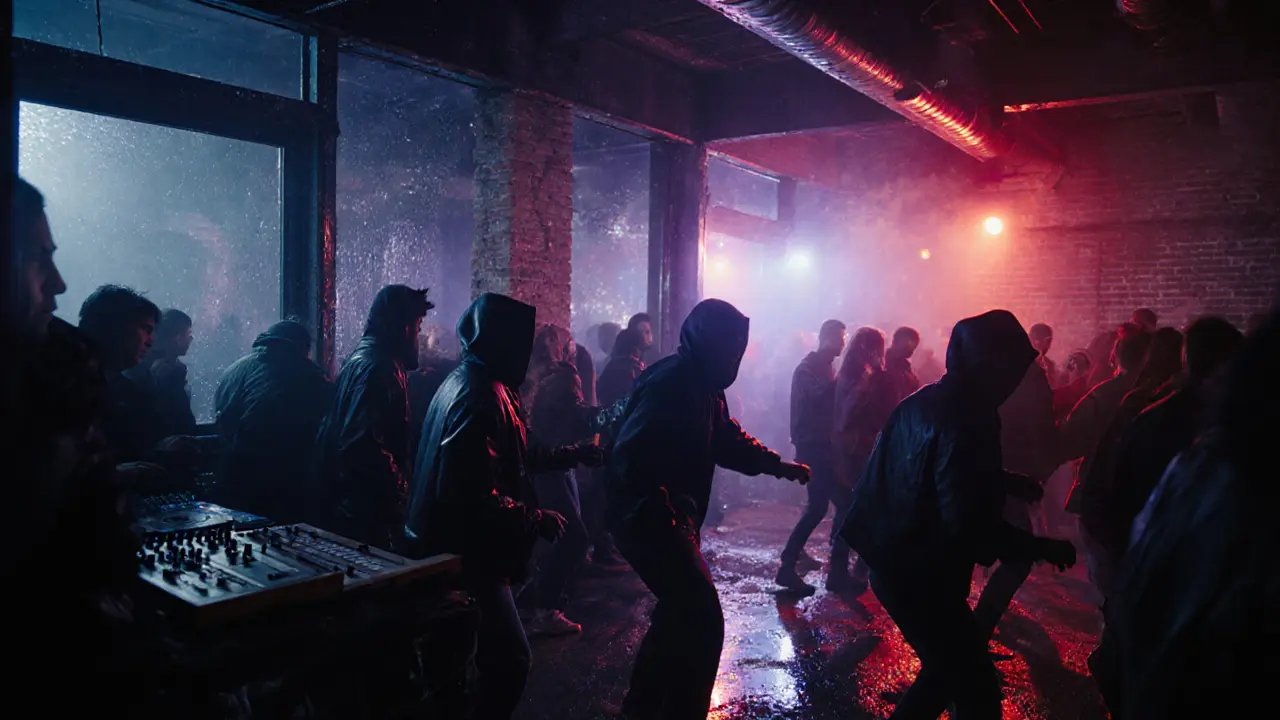
La Station in the 19th arrondissement is the most reliable. It’s a converted train depot with industrial ceilings, sticky floors, and a sound system that makes your ribs vibrate. The DJs don’t play Top 40 remixes. They spin deep techno, minimal house, and experimental noise-sometimes for 12 hours straight. Doors open at midnight. People arrive in layers: leather jackets, hoodies, sneakers, no shoes. The vibe? No one’s here to be seen. Everyone’s here to feel.
For a more intimate experience, Le Baron (yes, the one that used to be famous for celebrities) still has a secret room upstairs. It’s tiny, packed, and only open after 2 a.m. The music shifts from disco to acid house without warning. You’ll see a 70-year-old French jazz pianist dancing next to a 20-year-old Berlin producer. That’s Paris.
And then there’s Concrete in the 11th. It’s a warehouse with no sign, just a single red light. You need to text a number to get the address. Inside, the bass hits like a heartbeat. The lighting changes every 15 minutes-sometimes green, sometimes red, sometimes nothing at all. People don’t talk. They move. And if you’re lucky, you’ll catch a live set from someone who’s never played outside their bedroom before.
Where Jazz Meets Electro: The Hybrid Nights
Paris doesn’t believe in boxes. The best nights happen when genres blur. At Le Poisson Rouge in the 18th, you’ll get a live jazz trio on stage, then a DJ drops a beat underneath them. The saxophone doesn’t stop-it locks into the groove. It’s not fusion. It’s evolution.
La Machine du Moulin Rouge (not the cabaret, the newer experimental space) hosts monthly “Electro Jazz” nights. A drummer plays live, synced to a modular synth. A vocalist sings in French over a broken beat. The crowd doesn’t clap. They sway. It’s the kind of night that makes you rethink what music can be.
Even Le Trianon, known for indie rock, now books “Midnight Jazz & Bass” nights. The lighting is low. The drinks are cheap. The energy? Electric. You’ll leave wondering why other cities still keep genres separated.
What to Wear, When to Go, and How to Avoid the Traps
Parisians dress for mood, not status. You don’t need a suit to get into a jazz club. A clean shirt, dark jeans, and good shoes are enough. For electro spots, wear what lets you move-no heels, no blazers. If you’re wearing a hat, take it off. It blocks the view.
Timing matters. Jazz clubs fill up after 9 p.m. Arrive at 8:30 if you want a seat. Electro spots don’t get real until midnight. Don’t show up at 10 p.m. expecting a rave. You’ll just be the only one there.
Watch out for “jazz bars” that play elevator music with a saxophone track looping. They’re everywhere near Montmartre. Check the lineup on Instagram before you go. If the club’s page hasn’t been updated in six months, skip it.
And don’t assume everything is expensive. Some of the best nights cost €10. Cash still rules in the underground. Bring €20, leave with a memory.
Hidden Gems You Won’t Find on Tourist Lists
There’s a speakeasy behind a bookshelf in the 12th called Le Petit Journal. You need a password. Ask for it at the bar next door. Inside, it’s just five tables, a vinyl player, and a guy who plays 1950s French jazz while smoking a pipe. No one talks. You don’t need to.
On the last Friday of every month, La Bellevilloise hosts “Jazz & Bass” nights with local producers remixing old French jazz records. The sound is warm, dusty, and alive. You’ll hear a 1962 piano solo layered over a 2024 beat. It’s not nostalgia. It’s innovation.
And if you’re up for a 20-minute metro ride, Le Trianon’s rooftop bar opens at 11 p.m. with a live sax player and a DJ spinning downtempo beats. The view of the city lights? Worth every euro.
Why Paris Nightlife Feels Different
In New York, nightlife is about status. In London, it’s about trends. In Berlin, it’s about endurance. In Paris, it’s about intimacy. The clubs are small. The crowds are quiet. The music isn’t background noise-it’s the reason you’re there.
You won’t find 500-person raves every weekend. You’ll find 30 people in a room, listening to a bassline like it’s poetry. That’s the magic. It’s not loud. It’s deep.
Paris doesn’t sell you a night out. It gives you a moment. And if you listen closely, you’ll hear the whole city breathing with you.
What’s the best night to experience jazz in Paris?
Thursday and Friday nights are the strongest for live jazz. Clubs like Le Caveau de la Huchette and New Morning book their best acts on these days. Sunday nights are quieter but often feature emerging artists and experimental sets. Avoid Monday and Tuesday unless you’re looking for a relaxed, low-key vibe.
Are Paris nightclubs safe for tourists?
Yes, most are. Popular spots like New Morning, La Station, and Le Trianon are well-lit, have security, and are frequented by locals and tourists alike. Avoid isolated alleys after 3 a.m. Stick to well-known areas like Canal Saint-Martin, Oberkampf, and the 10th arrondissement. Always keep your bag zipped and your phone in your pocket.
Do I need to book tickets in advance?
For jazz clubs like New Morning or big names at La Cigale, yes. Book online a few days ahead. For underground electro spots like Concrete or Le Petit Journal, tickets aren’t sold-you just show up. Cash is preferred. If a club asks for your email or phone number to “reserve,” it’s probably not the real deal.
Can I find English-speaking staff in Paris clubs?
In tourist-heavy areas like Montmartre or near the Seine, yes. But in the real underground spots-like La Station or Le Petit Journal-you’ll likely hear French. Don’t worry. The music speaks louder than words. A smile and a point at the menu works just fine. Many staff members speak enough English to help if you’re lost.
What’s the average cost for a night out in Paris?
You can have a full night for €25-€50. Entry to a jazz club is €10-€20. A drink costs €8-€12. Electro clubs charge €10-€15, sometimes less if you arrive before midnight. Skip the €25 cocktails. Stick to wine, beer, or a simple whiskey. Many places have happy hours from 9-11 p.m.