When the sun goes down in Milan, the city wakes up
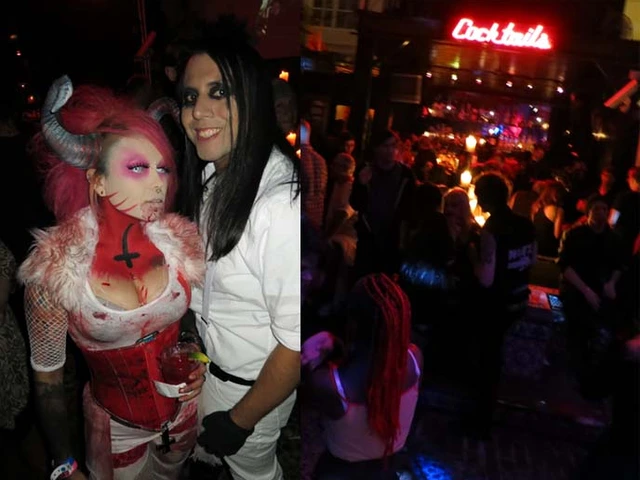
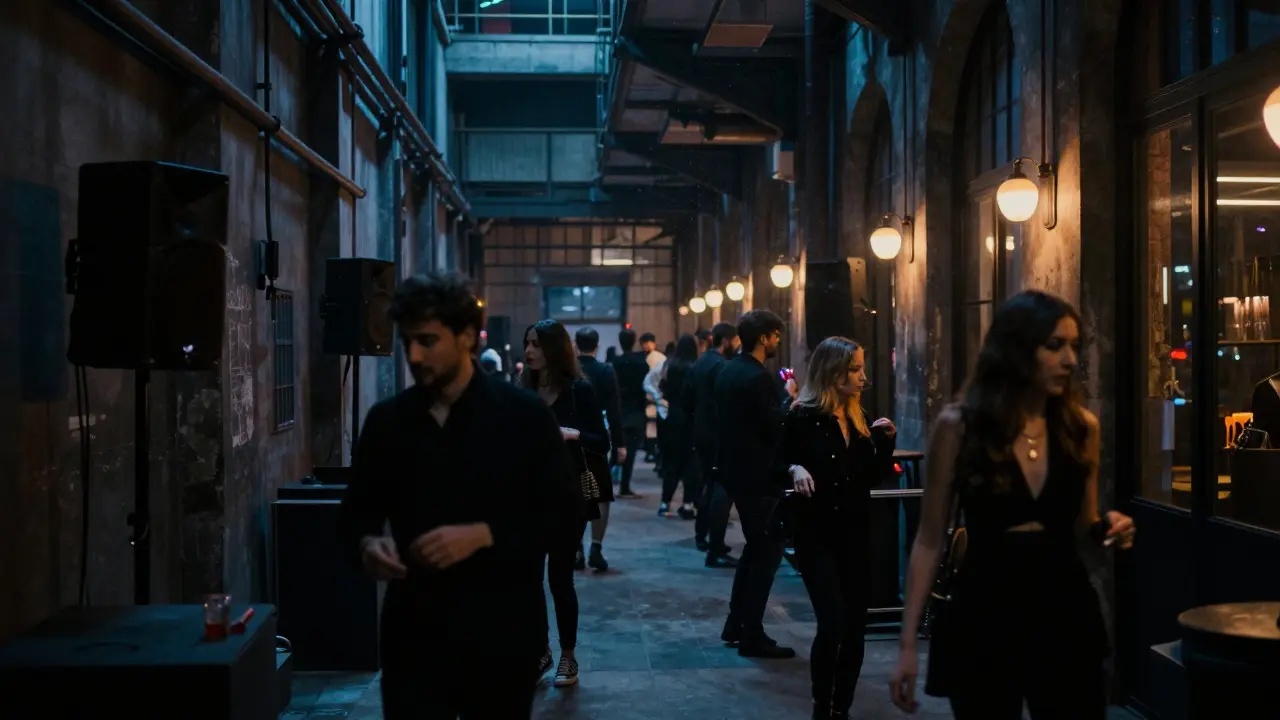
Most tourists leave Milan by 7 p.m., thinking the day is over. But if you’re a night owl, you’re just getting started. Milan doesn’t sleep-it transforms. By midnight, the streets buzz with people in sharp coats, music spills from hidden doorways, and the energy shifts from fashion shows to bass drops. This isn’t just partying. It’s a ritual. And if you want to do it right, you need to know where to go.
Start with the classics: Nightclubs that defined Milan’s scene
La Scala may be the city’s most famous name, but when it comes to nightlife, Bikini is the real icon. Open since 1989, this club sits in a former textile factory in the Porta Venezia district. It’s not flashy. No neon signs. Just a long hallway, a low ceiling, and a sound system that makes your ribs vibrate. They play techno, house, and deep bass-no pop remixes. Locals come here to dance, not to be seen. If you want to feel what Milan’s underground really sounds like, this is it.
Then there’s Magazzini Generali. It’s not a club. It’s a warehouse turned cultural space. Every Friday and Saturday, it becomes one of the most experimental venues in Europe. Artists from Berlin, London, and Tokyo drop in to play sets you won’t hear anywhere else. The crowd? Mixed. Designers, students, DJs, retirees who love avant-garde beats. You won’t find bottle service here. You’ll find people standing in silence, eyes closed, letting the music pull them into another dimension.
Bars that feel like secrets
If you’re not ready for loud music, start with a drink. Milan’s bar scene is quiet, clever, and full of surprises. Bar Basso is where the Negroni was invented in 1919. It still serves the original recipe-equal parts gin, Campari, and sweet vermouth-on a worn wooden counter. The barman doesn’t ask if you want ice. He just pours it. You’ll see journalists, lawyers, and tourists all sitting shoulder to shoulder, talking in low voices. It’s not a tourist trap. It’s a tradition.
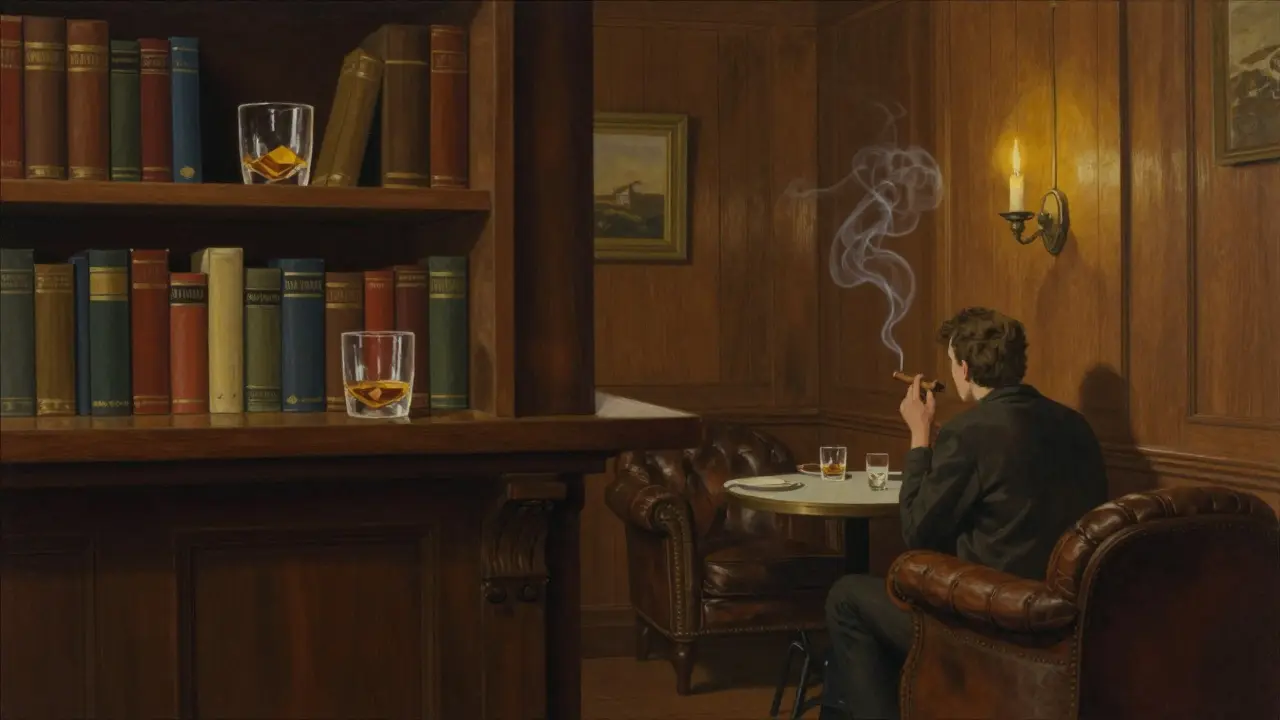
For something newer, head to Loch Fyne in the Navigli district. It’s hidden behind a bookshelf. You need to know the password (ask the doorman for “Serenity” after 10 p.m.). Inside, it’s dim, cozy, and smells like cedar and smoked tobacco. They serve whiskey from Scotland and Japan, plus cocktails made with local herbs like rosemary and juniper. No music. Just the clink of ice and the murmur of people who don’t want to be found.
Lounges where the night slows down
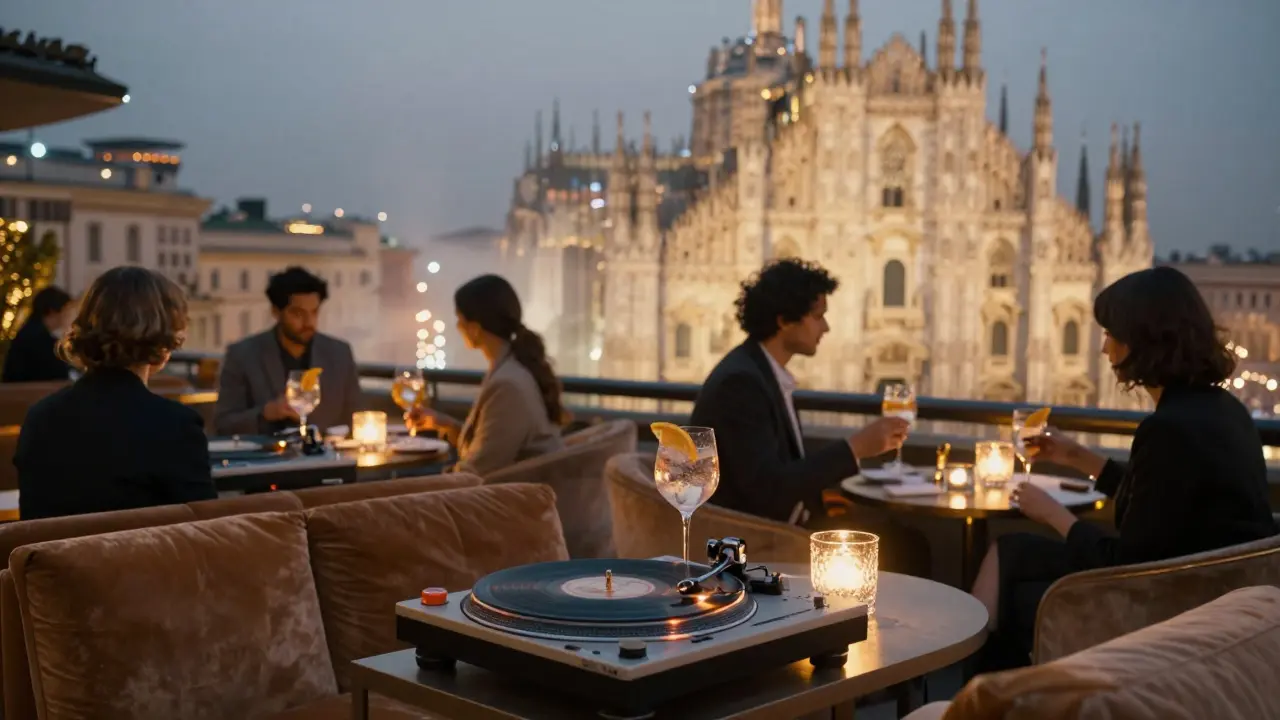
Not every night needs to end with a dance floor. Sometimes you want to sit, sip, and watch the city glow. Terrazza Triennale sits on the 11th floor of the Triennale Design Museum. The view stretches from the Duomo to the Porta Nuova skyline. They serve craft gin tonics with citrus peels from Sicily and small plates of aged cheese and cured meats. The music? Jazz records from the 1950s, played softly through vintage speakers. It’s the kind of place where you stay until 3 a.m., not because you’re drunk, but because the night feels too good to leave.
Down in the Brera district, La Scala Lounge (not to be confused with the opera house) offers velvet couches, candlelight, and a curated playlist of Italian indie rock. The owner, a former violinist, only books musicians who play without amplifiers. You’ll hear acoustic guitars, double bass, and the occasional cello. It’s romantic. It’s quiet. And it’s the only place in Milan where you can hear your own thoughts over the hum of the city.
When to go-and what to wear
Milanese nightlife doesn’t follow tourist schedules. Clubs don’t open until 1 a.m. and don’t fill up until 2:30 a.m. If you show up at 11 p.m., you’ll be the only one there. That’s fine. Get a drink, watch the crowd trickle in, and leave when the real energy starts.
As for dress code? Don’t show up in sneakers and a hoodie. Milan doesn’t care if you’re from New York or Tokyo. They care if you look like you took the time. Men: dark jeans, a fitted shirt, maybe a wool blazer. Women: tailored pants or a simple dress, no flip-flops. No logos. No flashy jewelry. The goal isn’t to stand out-it’s to blend in, quietly confident.
What to avoid
There are places that look like clubs but are just for tourists. Stay away from anything with “Milan Night” in the name. Avoid the area around Piazza del Duomo after 10 p.m.-it’s full of overpriced bars with fake DJs playing Top 40. And never trust a bouncer who asks for your passport before letting you in. Real Milanese clubs don’t do that. They ask for your vibe.
Also, skip the clubs that charge €30 to get in before midnight. That’s not a cover charge. That’s a scam. The real spots charge €10-€15 after 1 a.m., and sometimes nothing at all if you’re with someone who knows the owner.
How to get around
Milan’s metro runs until 1:30 a.m. on weekends. After that, you’ll need a taxi or Uber. But here’s the trick: if you’re going from Navigli to Porta Venezia, walk. It’s only 20 minutes, and the streets are lit, safe, and full of people. You’ll see street artists, couples kissing under lanterns, and cafés still open with steam rising from espresso cups. That’s Milan at its best-not in a club, but on the sidewalk, alive in the quiet hours.
Final tip: Be patient, be present
Milan’s nightlife isn’t about checking off venues. It’s about moments. The one where the DJ drops a track you’ve never heard but somehow know by heart. The moment a stranger turns to you and says, “That bassline? That’s from a 1998 Italian techno record.” The quiet silence after the last song, when everyone just stands there, smiling, not saying anything.
You won’t find that in a travel blog. You won’t find it in a guidebook. You find it by showing up, staying late, and letting the city lead you.
What time do clubs in Milan actually open?
Most clubs don’t open until 1 a.m., and they don’t get busy until 2:30 a.m. If you show up earlier, you’ll be one of the first people there. That’s fine-some of the best nights start with just a few people and grow slowly. Don’t rush it.
Is Milan nightlife safe at night?
Yes, especially in the main nightlife districts like Porta Venezia, Navigli, and Brera. The streets are well-lit, and police patrols are common after midnight. Avoid isolated alleys and never walk alone through empty industrial zones. Stick to the crowds. If you’re unsure, ask a local bartender-they’ll point you in the right direction.
Do I need to make reservations for clubs or bars?
For most places, no. But for Magazzini Generali and Loch Fyne, it helps to text ahead. Some lounges like Terrazza Triennale don’t take reservations, but arriving before 11 p.m. guarantees a good seat. If you’re with a group of more than four people, call ahead-some spots have limited space.
What’s the average cost for a drink in Milan’s nightlife spots?
At a regular bar, a cocktail costs €12-€15. At a club, drinks are €10-€14. At high-end lounges like Terrazza Triennale, expect €18-€22 for a craft gin tonic. Beer is usually €6-€8. Water is always free if you ask. Skip the tourist bars-they charge €20 for a soda.
Are there any age restrictions for nightlife in Milan?
The legal drinking age is 18. Most clubs allow entry at 18, but some high-end or experimental venues (like Magazzini Generali) may require you to be 21 or older. Always carry ID. Even if you look older, bouncers will ask.
Can I visit Milan’s nightlife alone?
Absolutely. Milan’s nightlife is welcoming to solo visitors. Many people go alone to bars and lounges. You’ll see people reading, sketching, or just watching the crowd. Don’t feel pressured to talk to anyone. The city respects quiet company. If you want to meet someone, start with a bar where the staff knows regulars-they’ll introduce you.