Start with an aperitivo, not a cocktail
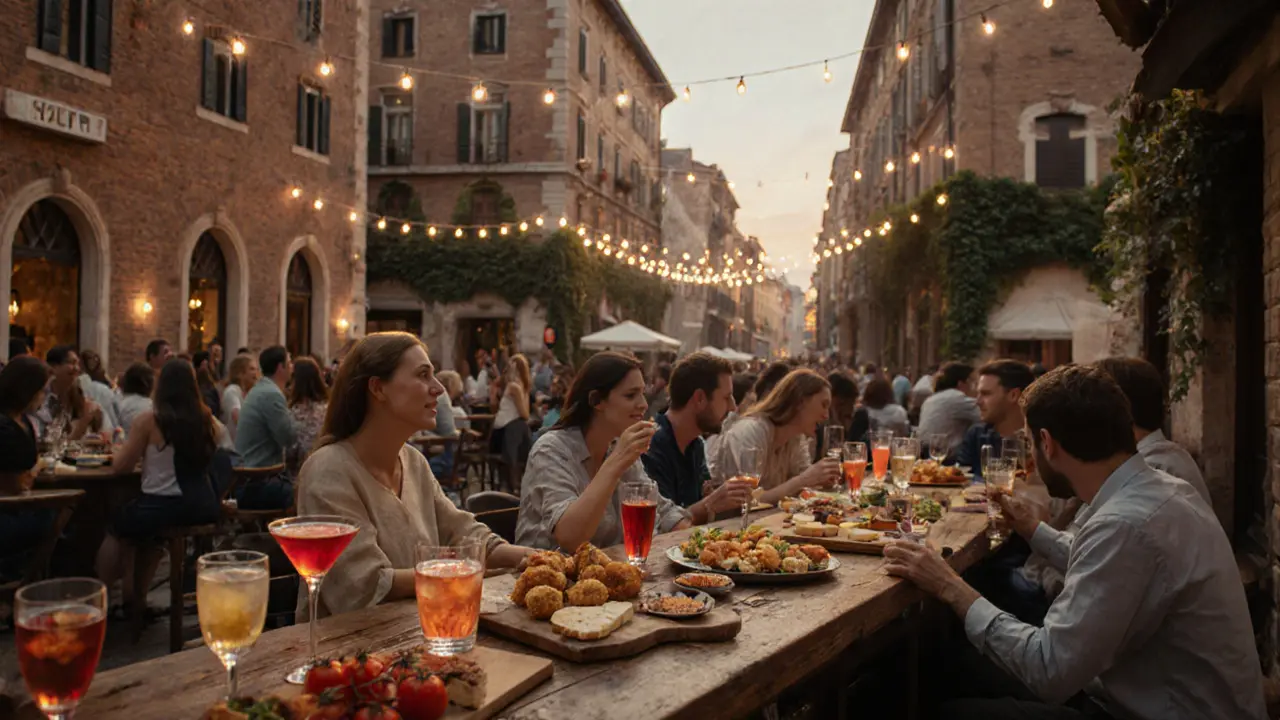
Most tourists think nightlife means loud clubs and overpriced drinks. In Milan, it starts with an aperitivo. Between 7 and 9 p.m., locals flood bars in Brera, Navigli, and Porta Ticinese. For €10-15, you get a drink-usually a Spritz, Aperol, or Negroni-and a buffet of snacks that rivals a full dinner. Think arancini, stuffed tomatoes, mini paninis, and fresh cheeses. This isn’t just a pre-drink ritual. It’s the heartbeat of Milanese social life.
Go to Caffè Cova in Brera if you want classic elegance. For something more local, head to Bar Basso in Porta Venezia, where the Americano was invented. Or try L’Albero della Vita in Navigli, where the crowd is young, the music is indie, and the food is organic. The key? Show up early. By 8:30 p.m., the best spots are packed.
Brera: Where the stylish crowd hangs
Brera isn’t just an artsy neighborhood-it’s where Milan’s fashionistas, designers, and artists unwind after dinner. The streets are narrow, the lights are dim, and every corner has a hidden bar. Skip the tourist traps near the Pinacoteca. Instead, find Birreria Brera. It’s a tiny beer spot with 15 rotating craft brews and no menu-just ask what’s good tonight. The owner knows everyone. He’ll tell you which bar has the best jazz on Thursday.
For something more upscale, La Cucina del Brera turns into a lounge after 11 p.m. Live piano, velvet couches, and a wine list that includes rare Piedmontese vintages. Don’t expect dancing. Expect quiet conversation, slow sips, and the kind of night that feels like a scene from a movie.
Navigli: Canals, cocktails, and street vibes
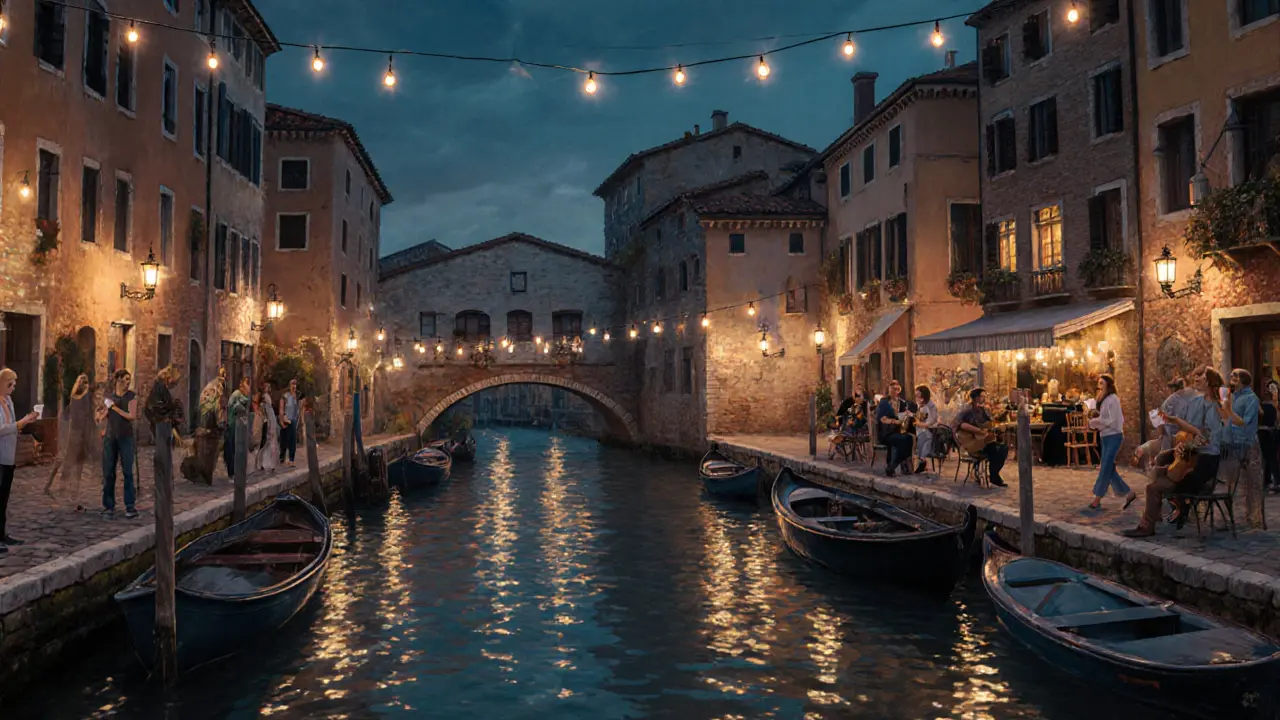
By 10 p.m., Navigli comes alive. The canals glow with string lights. People spill out of bars onto the sidewalks. This is where Milan’s creative class lets loose. The bars here aren’t fancy-they’re real. The Dandy serves cocktails made with local herbs and honey. Cantinetta Antinori has a wine bar inside an old warehouse, with bottles from Tuscany and Sicily.
On weekends, the stretch along the Darsena canal turns into an open-air party. Street musicians play acoustic sets. Couples sit on benches with wine in paper cups. There’s no cover charge. No dress code. Just good vibes and the sound of laughter echoing off the water. If you want to dance, head to La Scala Club-not the opera house, but the underground spot behind it. It’s small, dark, and packed with people who know exactly what they’re doing.
Porta Ticinese: The gritty, authentic scene
If you want to see how Milanese people really party, go to Porta Ticinese. It’s rougher, louder, and more real than anywhere else. This is where students, artists, and expats mix. The bars here don’t care if you’re wearing sneakers or a suit. They care if you’re having fun.
Circolo degli Artisti is a legendary spot. It’s been around since the 1980s. The walls are covered in graffiti, the playlist is punk and hip-hop, and the drinks are cheap. They serve beer in plastic cups. You can’t make a reservation. You just show up and find a spot. The crowd changes every night. One night it’s local bands. The next, it’s a DJ spinning vinyl from the 90s.
Don’t miss Birreria Zerosei-a beer hall with 40 taps and a backyard where people smoke and talk until 3 a.m. It’s not Instagrammable. It’s not marketed. But it’s where you’ll hear the real Milan.
Clubs: When the city really wakes up
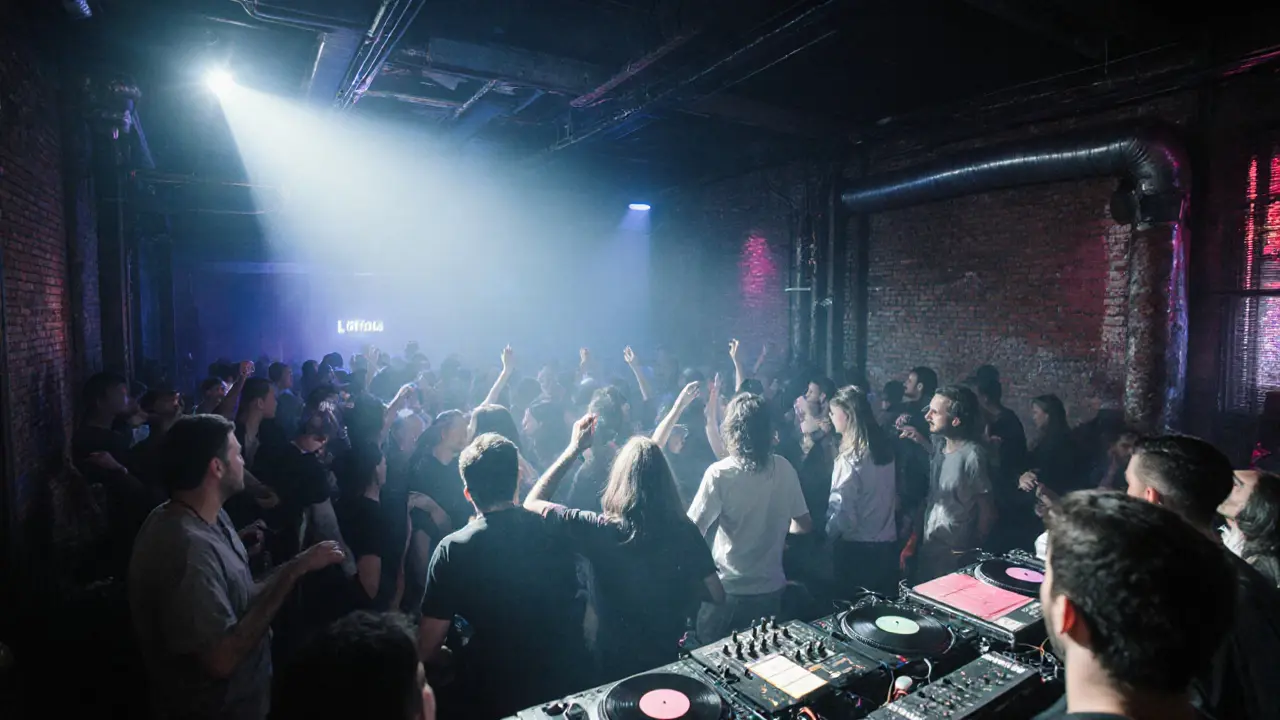
Most clubs in Milan open after midnight and don’t peak until 2 a.m. If you’re looking for world-class DJs and big-name acts, head to Bicocca in the outskirts. It’s not in the center, but it’s worth the trip. This is where international stars like Charlotte de Witte and Amelie Lens play. The sound system is one of the best in Europe. The crowd? Serious about music.
For something more intimate, L’Officina in the Zona Tortona district is a converted factory with industrial vibes and a focus on techno and house. It’s not a tourist spot. Locals know it by word of mouth. Entry is €15, but you get a full night-no last call, no rush.
Don’t go to Armani/Privé unless you’re dressed to impress. It’s exclusive. The bouncer checks your outfit. The drinks cost €20. But if you’re in the right crowd, it’s one of the most elegant nights out in the city.
What to avoid
There are places that look like nightlife hotspots but are traps for tourists. Stay away from the bars near Duomo Square after 10 p.m. They charge €25 for a basic cocktail and play Top 40 hits on loop. The same goes for the clubs in Corso Buenos Aires-overpriced, loud, and full of people who don’t even live in Milan.
Also, don’t assume all clubs have dress codes. Some do. Some don’t. When in doubt, wear dark jeans and a nice shirt. No flip-flops. No baseball caps. Milan notices these things. You don’t need a suit, but you do need to look like you care.
When to go
Weekends are packed. If you want space to breathe, go on a Thursday or Friday. The clubs are still open, the crowds are thinner, and the vibe is better. Tuesday nights are dead. Sunday? Most places close by midnight.
Summer is the best time. The Navigli area turns into a festival. Outdoor parties pop up on rooftops. Winter? The city still pulses, but the energy shifts indoors. The best clubs stay open, but the bars get cozier.
How to get around
Milan’s metro runs until 1:30 a.m. on weekdays and 2:30 a.m. on weekends. After that, you’ll need a taxi or ride-share. Uber is legal here, but local apps like Free Now and Beat are cheaper and more reliable. Don’t walk alone after 2 a.m., especially in less populated areas. Stick to the main streets.
Final tip: Be patient, be present
Milan doesn’t rush. It doesn’t need to. The nightlife here isn’t about flashing lights and loud music. It’s about slow drinks, long talks, and moments that stretch into the early morning. You won’t find a club that stays open until 6 a.m. every night. But you’ll find places where people linger, where the music fades into conversation, and where the night feels like it belongs to you.
What time do bars open in Milan?
Most bars open around 6 p.m. for aperitivo. The real buzz starts at 7:30 p.m. Clubs usually open after midnight, with peak hours between 1 a.m. and 3 a.m.
Is Milan nightlife expensive?
It depends. Aperitivo costs €10-15 and includes food. Cocktails in tourist zones can be €15-25. In local spots like Porta Ticinese or Navigli, you’ll pay €8-12 for a drink. Club entry is usually €10-20. Budgeting €50-70 for a full night is realistic.
Do I need to book tables in advance?
For aperitivo spots like Bar Basso or La Cucina del Brera, yes-especially on weekends. For casual bars and clubs, no. Walk-ins are the norm. Just show up early if you want a good spot.
What’s the dress code for Milan nightlife?
Milan is stylish but not strict. Dark jeans, a nice shirt, and clean shoes work everywhere. Avoid shorts, flip-flops, and sportswear. For upscale clubs like Armani/Privé, men should wear a jacket. Women can wear dresses or tailored outfits.
Are there any safe areas to walk at night?
Brera, Navigli, and Porta Ticinese are generally safe after dark, especially where crowds gather. Stick to well-lit streets. Avoid isolated alleys near the train station or the outskirts after midnight. Use ride-sharing apps if you’re unsure.